

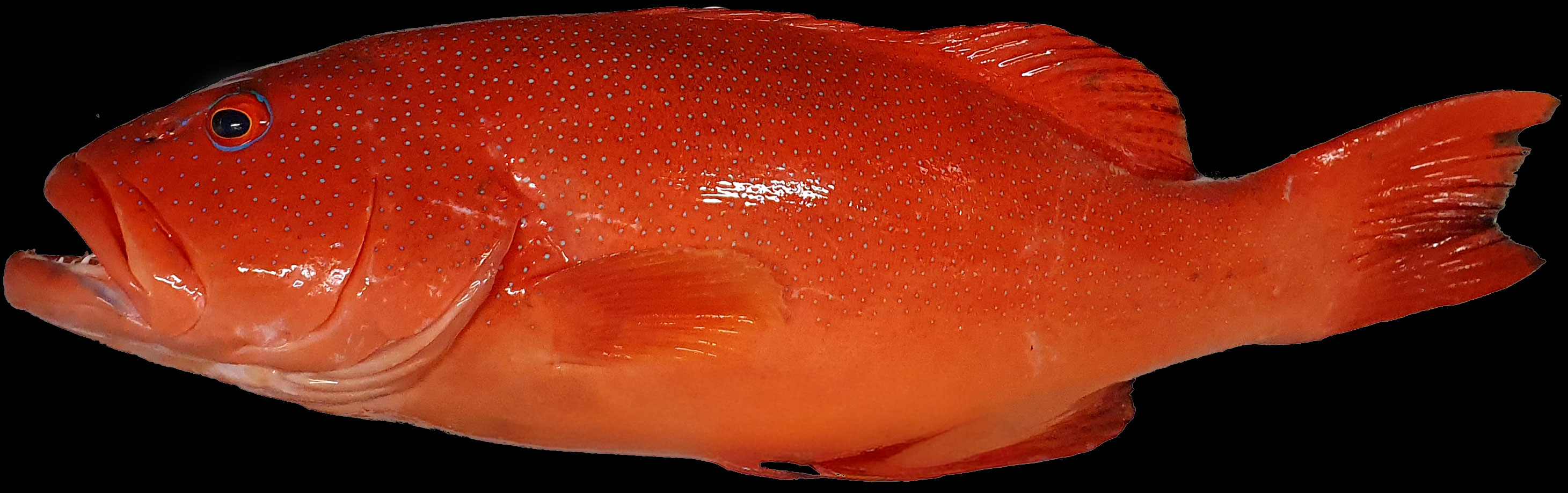
Common Coral Trout
Plectropomus Leopardus
01
Happy Fish®
Journey & Timeline
Days
002
Story of the fish
Common Coral Trout Habits
Change sex mid-life
Common Coral Trout Harvest
Sustainable, wild line-caught
Common Coral Trout Handling
Brain spiked as soon
Common Coral Trout Taste
Mild & sweet, strong marine notes
wild
hand line-caught
ike-jime brain spiked
ice slurried
family owned
local
03
Story of the fisher-farmer

Chris Bolton
“We believe if we do the best we can by the environment, the environment we rely on will do the best for us as well. The Great Barrier Reef is more than just a place we rely on for our business, it’s our life, it’s our families life, and we want it to stay that way for generations to come. ”
Chris Bolton, the ever-modest pioneering and visionary fisherman, is something of a legend in fishing
one-of-a-kind
Chris Bolton, the ever-modest pioneering and visionary fisher, is something of a legend in fishing, environmental and gastronomic circles. Together with his partner Kim, they have built their piece of paradise and a fishing business based in the world-heritage-listed Great Barrier Reef Marine Park in Queensland.
Chris Bolton Fishing has been celebrated for its uncompromising commitment to the reef, sustainability, quality and constant innovation to minimise environmental impacts and improving efficiency. The Boltons are true custodian fisherfolk and serve as role models of next-level fishing practice and care for Country.
Australia’s top chefs and seafoodies prize Chris Bolton Fishing’s produce for its quality, while his fishing techniques and knowledge attracts interest and research collaboration from the science community, fisheries managers and environmental groups. Chris Bolton Fishing is a multi award winning business most recently winning Producer of the Year in 2024 delicious Harvey Norman Produce Awards
fish fraud!
Believe it or not, more Chris Bolton Coral Trout is sold than is actually caught. Well-intentioned chefs receive what they believe are his fish and wonder why the quality is not up to Chris’s standards. That’s because it’s not always his fish! The Happy Fish process is intrinsic to eliminating Fish Fraud and ensuring verifiable sustainability, provenance and quality.
3 generations of fishing in the blood
“From the age of 5, all I wanted to do was to go fishing. I have spent more days on and in the Great Barrier Reef than I have on dry land! … Both my grandfathers were fishermen, my father and my uncles are fishermen and all catch fish in the same areas of the Great Barrier Reef and catchment that I fish today.”
04
Story of the country
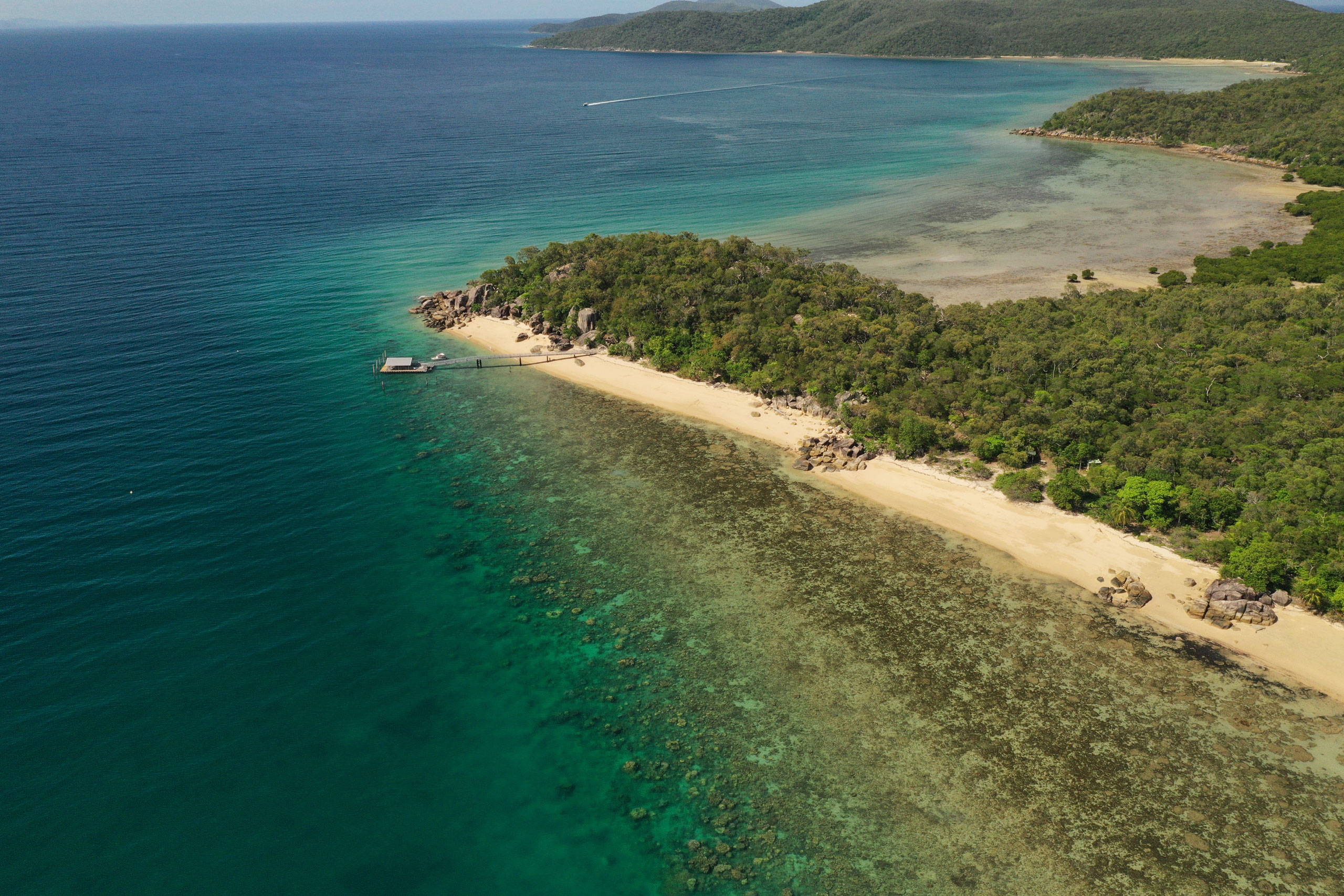
Mamu land
kurrimine beach far north QLD
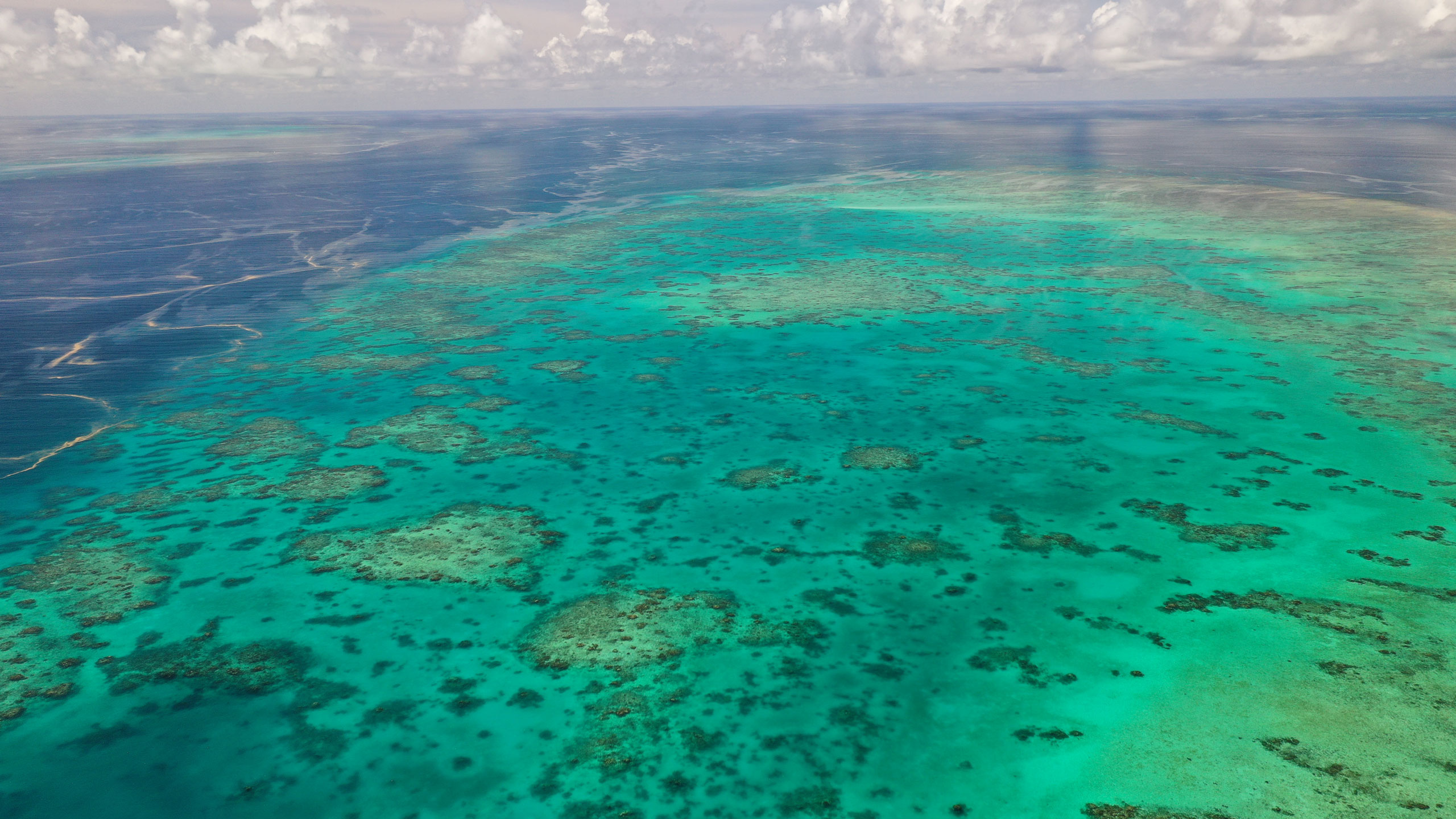
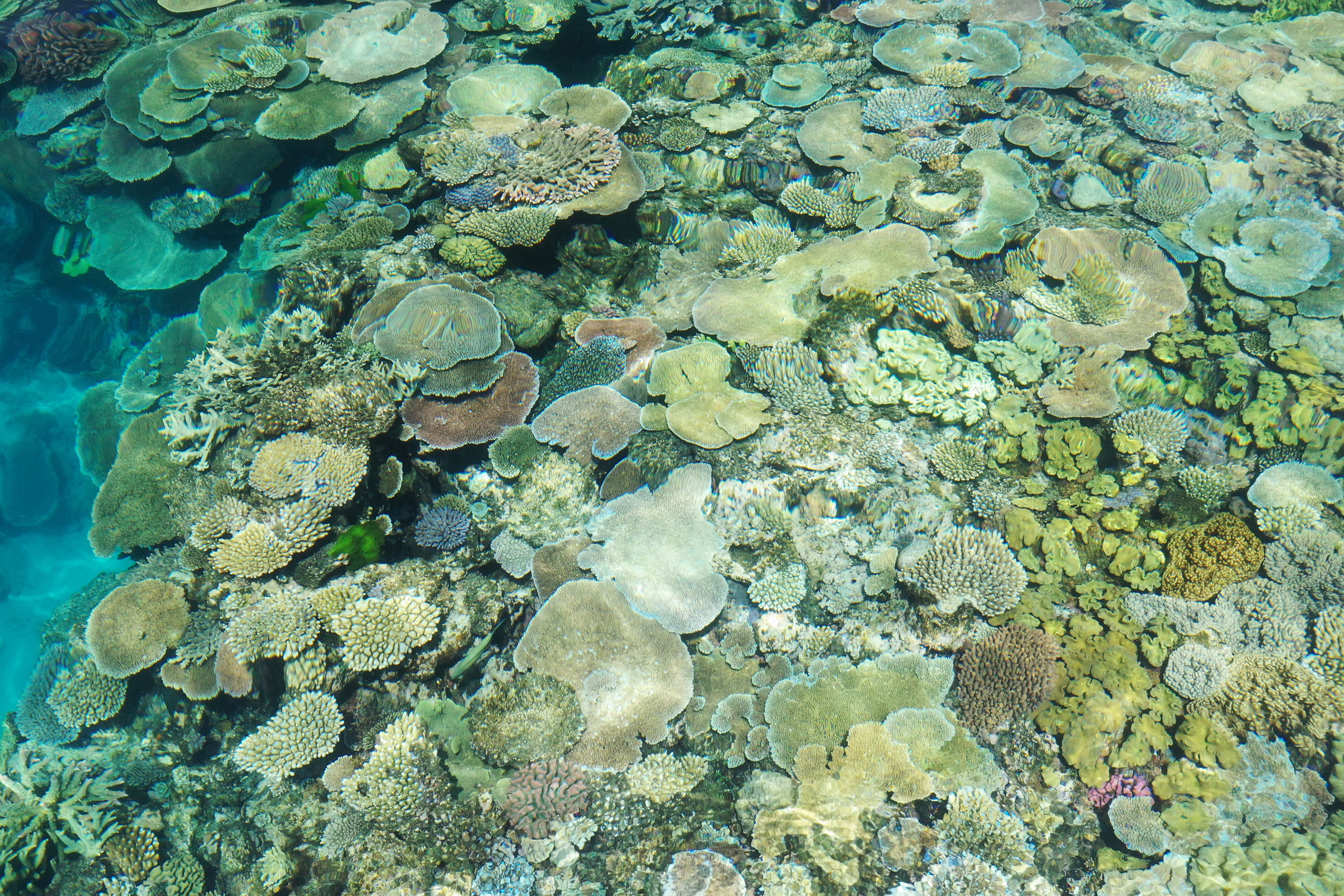
“If you could imagine the most luscious rainforest full of the most colourful birds and animals, multiply that by about 10 and that’s the Great Barrier Reef. I reckon it’s something else!”
05
Sustainability assessment criteria
assessment criteria
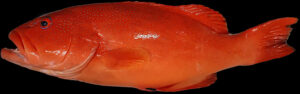
Common Coral Trout
Plectropomus Leopardus
Producer:
Chris Bolton
Harvest method:
Single-hook handline
Location:
Great Barrier Reef Marine Park QLD
SASAL Wild-caught products v2023 Assessment Criteria
The assessed produce has been subject to a rigorous and independent assessment process from which it has been determined that this product meets SASAL Wild-caught Products Sustainability Criteria 2023
Assessed by the Sustainable Australian Seafood Assessment Limited (SASAL)
criterion 1
Status of Wild Stocks: Target and By-product Species
criterion 2
Bycatch
criterion 3
Impacts of fishing on habitats and ecosystems
criterion 1
Status of Wild Stocks: Target and By-product Species
Aim
Are wild populations at a healthy level? Are they managed to support the current rates of fishing over the long-term?
Management Classification
The population is at a level of ‘maximum economic yield’ and regarded as underutilised compared to the ‘maximum sustainable yield’
Current Population Relative to Unfished Level
At the start of 2022 the target species population was estimated at 60% of unfished levels.
Extent of Overfishing
There is no indication that overfishing is occurring and the current level of fishing mortality is unlikely to cause significant stock declines.
Long Term Trends
Catches have been stable for the past 10 years and catch-rates over the past 5 years have been trending upwards.
Biological Parameters
Although fishing has impacted the size and age of female fish in the population, the range of this species and sex-ratio are not significantly impacted by fishing.
Management Effectiveness
The fishery is effectively managed by the Department of Agriculture and Fisheries, Queensland. Stock abundance is managed to maintain 60% of unfished levels and it appears ecosystem integrity is intact
criterion 2
Bycatch
Aim
Are they captured using techniques that minimise the catch of other species, and released fish have high rates of survival?
Is there bycatch?
Yes
Population Impacts of Bycatch
Although there is a lack of published data on bycatch rates, there is high survivorship of discards. It appears there are only low-level impacts on the population levels of any species in the bycatch.
Ecosystem Impacts of Bycatch Discards
There does not appear to be any significant ecosystem impacts from bycatch discards or bait fishing. The majority of bycatch consists of undersized target and by-product species. However, given that there is very little data on bycatch composition and rates of discarding for non-target species, this potential impact cannot be assessed adequately and remains unknown.
Management Effectiveness
There are some historical data on bycatch discards rates and post-release survival which have been used to inform stock assessments and the catch quota. There is monitoring of threatened species through fisher logbooks, but overall there is room for improved monitoring and management of bycatch.
criterion 3
Impacts of fishing on habitats and ecosystems
Trophic Impacts of Species Catch (target and non-target species)
Studies have shown that outbreaks of crown of thorns starfish (CoTS) may be driven by the removal of reef fish including coral trout. However, such trophic effects are likely indirect and complex since adult coral trout are not known to consume CoTS.
Physical Effects on Habitats
GPS guided electric motors are used instead of anchoring and biodegradable fishing line is also used to reduce physical impacts on the coral reef habitat.
Spatial Scale of Impacts
The fishing operation focuses on a relatively small proportion of the available fishable habitat in the Great Barrier Reef Marine Park (GBRMP). In addition, 33% of representative habitat is protected from fishing in the GBRMP which further limits the spatial scale of impacts.
Temporal Scale of Impacts
Persistent physical impacts are minimal.
Management of Impacts
Ecosystem impacts are constrained and well managed, and monitored by various government agencies. Voluntary agreements are embraced, such as being a Reef Guardian Fisher, to go beyond what is required by State and Federal laws.
Fin