
Ken Katafono
Traseable Solutions
Habitat
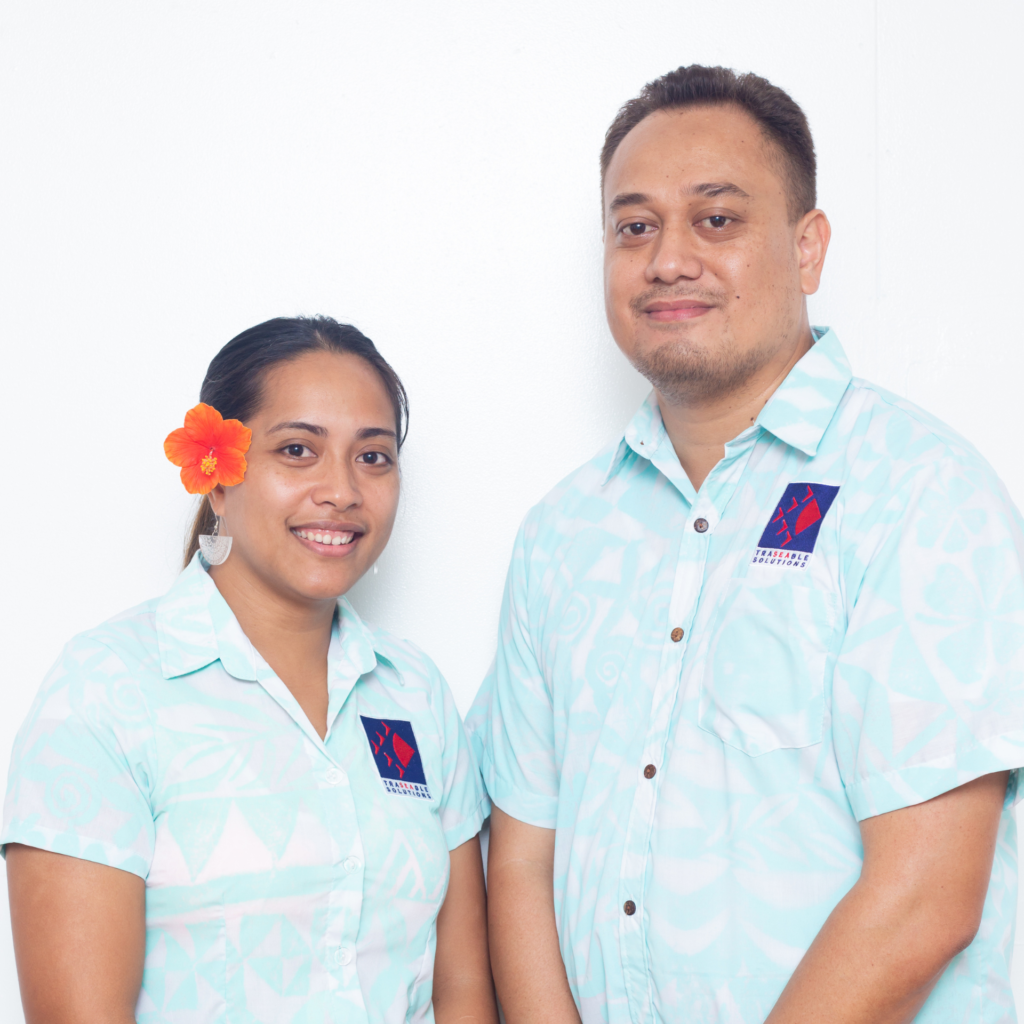
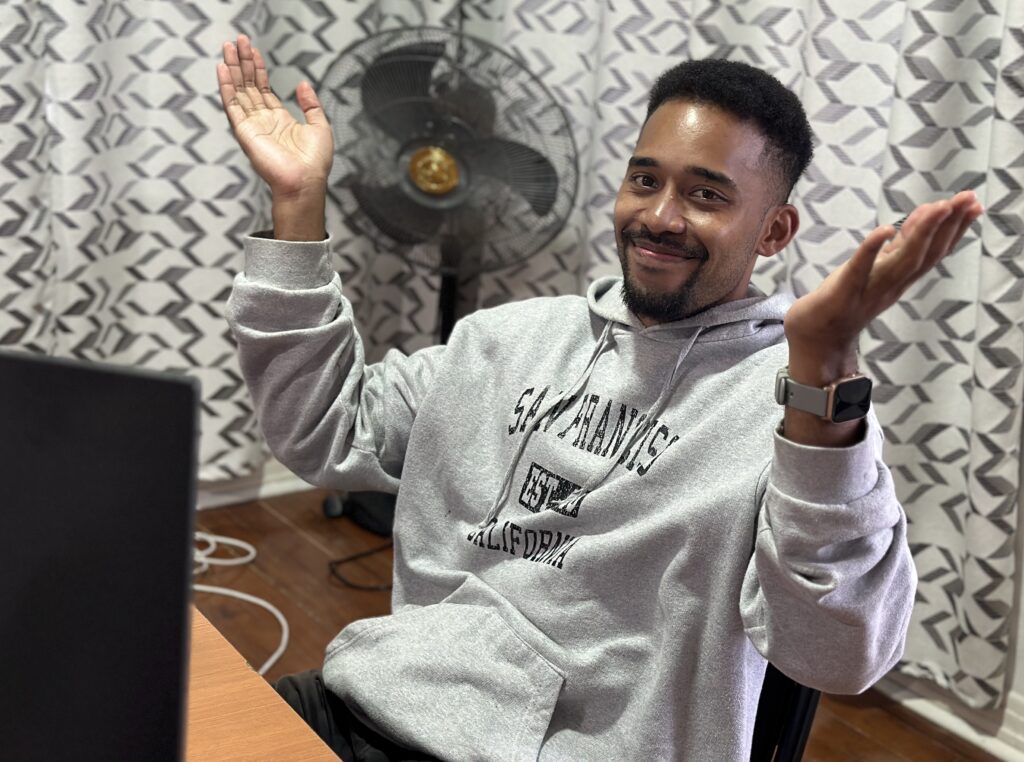
Born in Fiji and now based largely in Samoa, Ken Katafono’s centre of gravity has always been the Pacific.
“My roots are from a small island in the north of Fiji called Rotuma where we are of Polynesian descent. My wife, Shauna, hails from the island of Savai’i in Samoa and so our family live between our homes in Pacific Harbour, Fiji and Apia, Samoa.”
Habits
Ken lights up when the conversation turns to people and place: the islands, the ocean, and the communities that depend on them. Ultimately, he defines success in human terms: time with family, pride in community, and seeing Pacific youth step into global arenas with confidence.
Ken’s work is anchored in a values-driven mission: keeping more of the Pacific’s economic and social value in the Pacific. This translates to work that blends rigorous tech with human outcomes, tools that make life better for producers, processors, regulators, and, ultimately, families across the region
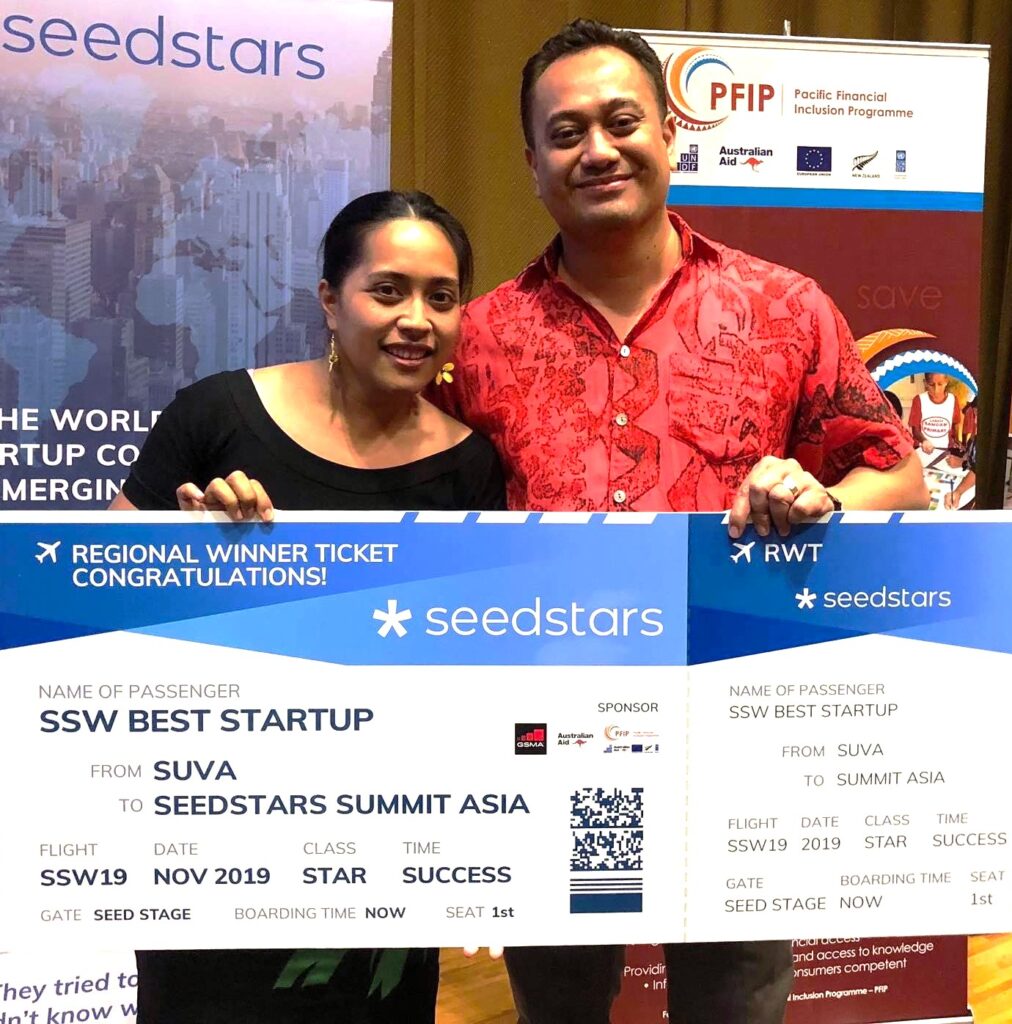
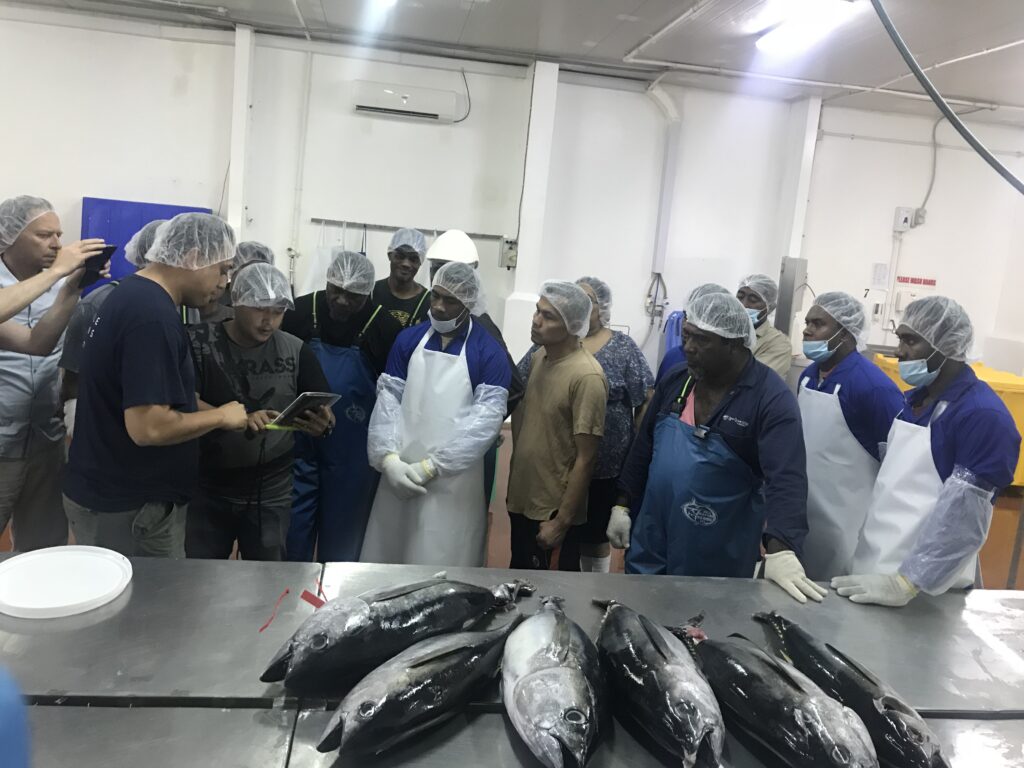
In 2012 a move to the Forum Fisheries Agency in the Solomon Islands fused Ken’s love of technology with a deepening connection to fisheries and the Pacific’s blue economies. After seeing first-hand how raw materials often exit island economies only to have most of the value added elsewhere, he and his wife co-founded the tracking company “Traseable” focused on seafood traceability
“We figured that the private sector approach would be a better way for us to have an impact”
Traceability for Ken, isn’t a buzzword, it’s a practical lever for resilience, sovereignty, and fairer markets. That ethos extends to talent: he invests in internships and mentorships, celebrates alumni who fly, and designs programs that lift participation particularly for women entrepreneurs through digital marketing and e-commerce training delivered with UNESCAP.
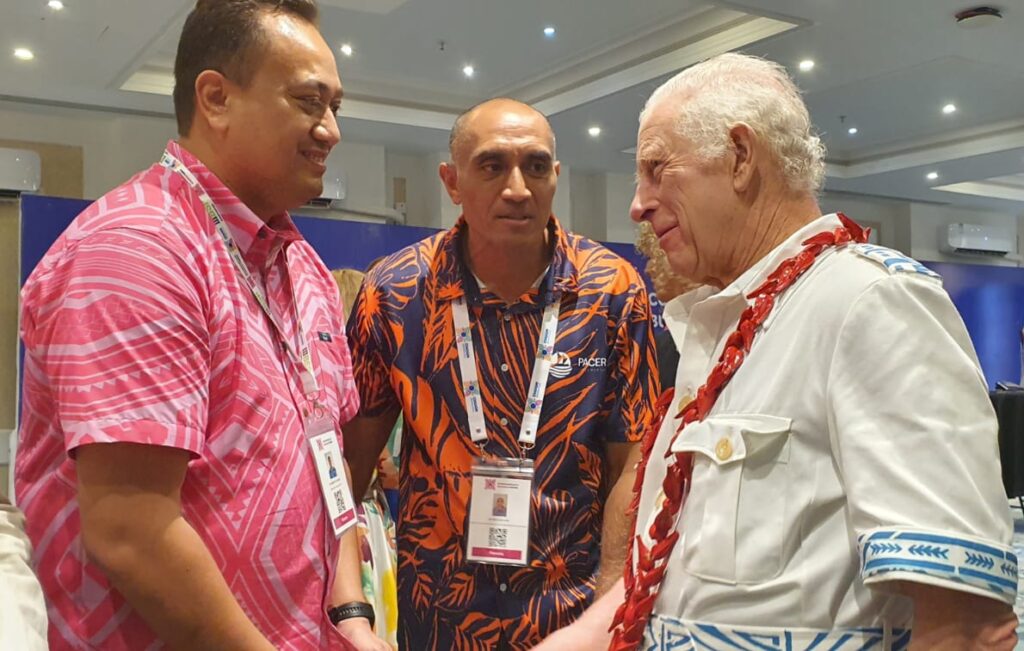
Ken has an unusual fluency across contrasting worlds. He is comfortable navigating the challenges of developing-countries and apparently at ease with the procedural rigours of multilateral institutions and international agencies such as WWF and UNESCO
When asked what his “superpowers” are he says: spotting emergent opportunities, staying grounded in Pacific realities (fisheries, agriculture, food security), and relentless learning. That combination helps him see around corners, anticipating how technology and policy will intersect, and then turn that foresight into workable systems people actually use.
His legacy goal is simple and expansive: a Pacific where homegrown talent builds solutions for local problems and influences global standards, proof that small islands can shape big systems.