

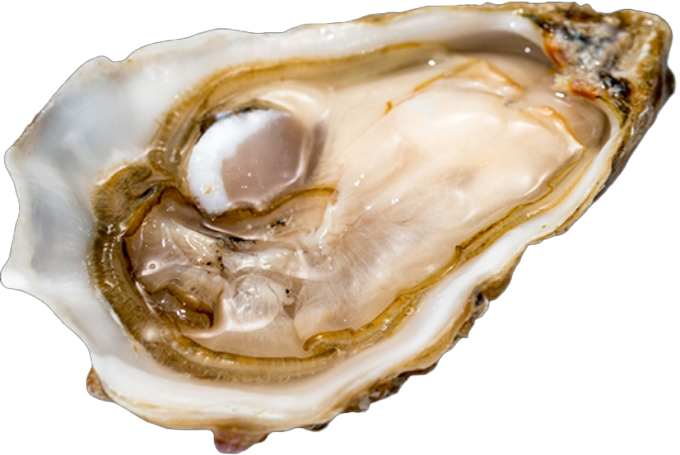
Sydney Rock Oyster
Saccostrea glomerata
01
Happy Fish®
Journey & Timeline
Days
002
Story of the fish
Sydney Rock Oyster Habits
the canaries of the Lake
Sydney Rock Oyster Harvest
three years of care
Sydney Rock Oyster Handling
every oyster tells a story
Sydney Rock Oyster Taste
kissed by the ocean
03
Story of the fisher-farmer
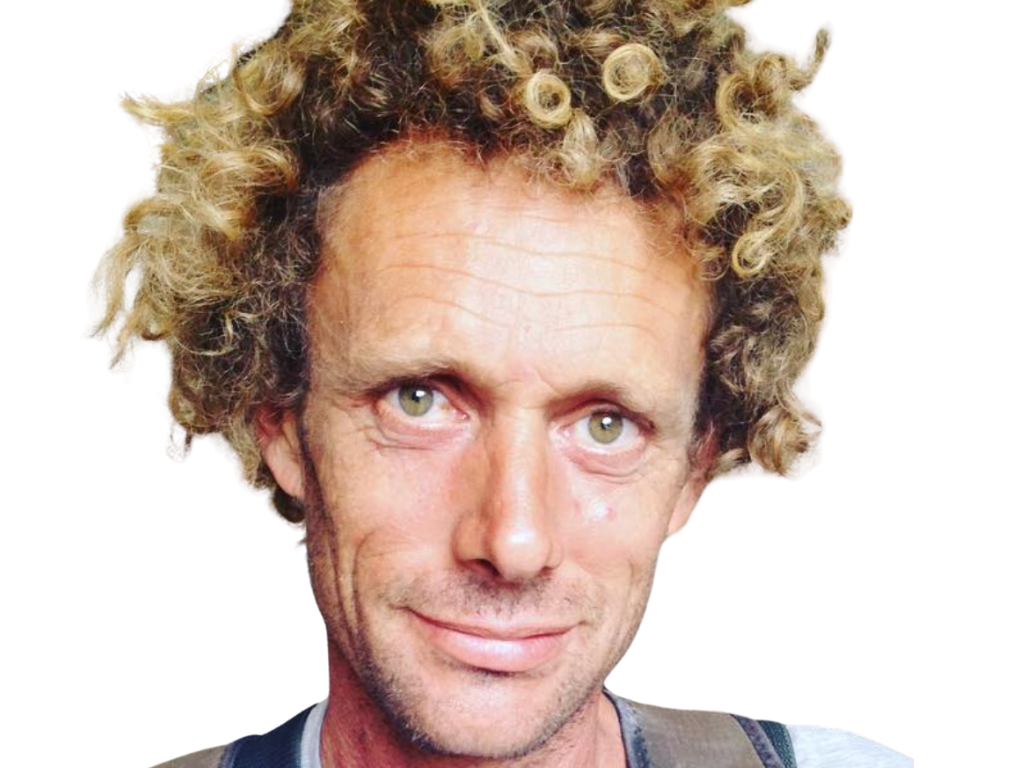
Dom Boyton
We rather work with the flow of the tide and let the oysters and environment tell us how to work within it.
130 years of farming knowledge and farming the same waters for over 40 years, described as the GOAT of Sydney Rock Oyster farming...
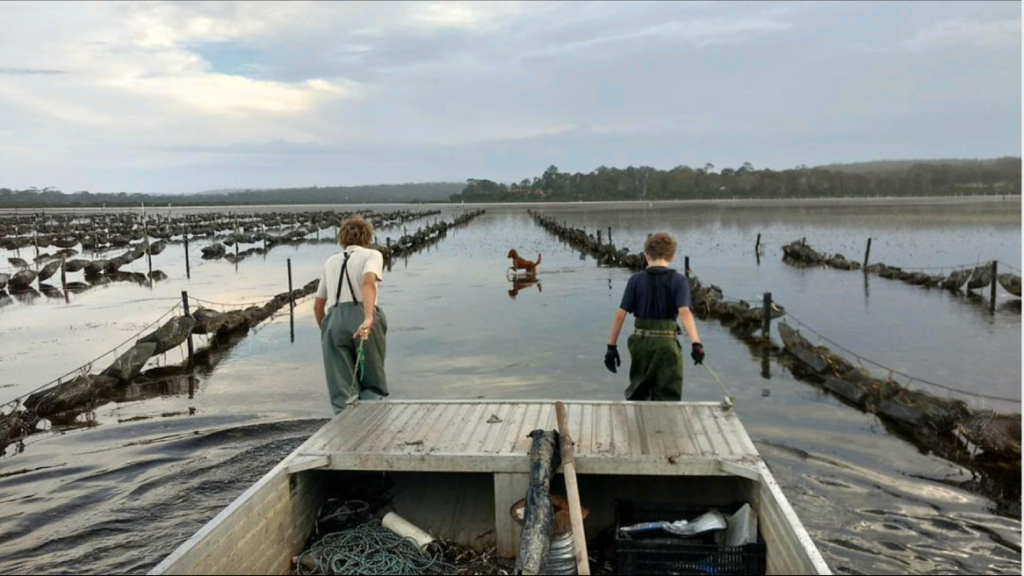
The GOAT of Sydney Rock Oysters
Dom Boyton’s family have been oyster farming Merimbula on the Sapphire Coast NSW for three generations. With over 130 years of farming knowledge in our business and farming the same waters for over 40 years; Dom has been described as the GOAT of Sydney Rock Oyster farming
“we see our farm, our job, as a privilege to work with our environment. We don’t take the usual attitude of trying to tame the natural order of the lake.”
Custodian of Estuaries
For Dom, the role of the oyster farmer is that of custodian of estuaries, which are the front-line indicators of waterway health. He insists conservation must start upstream in creeks, wetlands, saltmarsh and riparian zones. He believes consumers want and deserve provenance, it is not a luxury, it is accountability that lets you know when an oyster was harvested, the waters it filtered and the people who tended it across seasons.
You can hear the years on the water when he talks about oysters the way others talk about people. He describes reading their shells, their weight, the sound of happy bags rolling and the dull thud of stressed shells.
environmental mastery
Dom’s distinctive edge is environmental intuition, a mastery of being able to “read the water” algal feed, colour, flow, the behaviour of seagrass and fish, and translate that into husbandry practices: moving stock to higher-flow or deeper leases in heat, sheltering vulnerable juveniles, and nudging growth without ever feeding.
Dom wants the future of oyster farming to involve training pathways for younger generations in aquaculture and sustainability; combining traditional knowledge with technology and AI to modernise and protect the industry, ensure that small producers’ voices remain heard in the shift toward large corporate aquaculture; and promoting public awareness through storytelling, visibility, and education.
“Connecting consumers back to the people who grow their food.”
This is why Dom pushes for better collaboration across a small, often fragmented industry, and why he invests endless unpaid hours in community and regulatory forums to keep local waterways safe for swimming, fishing, and farming.
04
Story of the country
yuin
merimbula
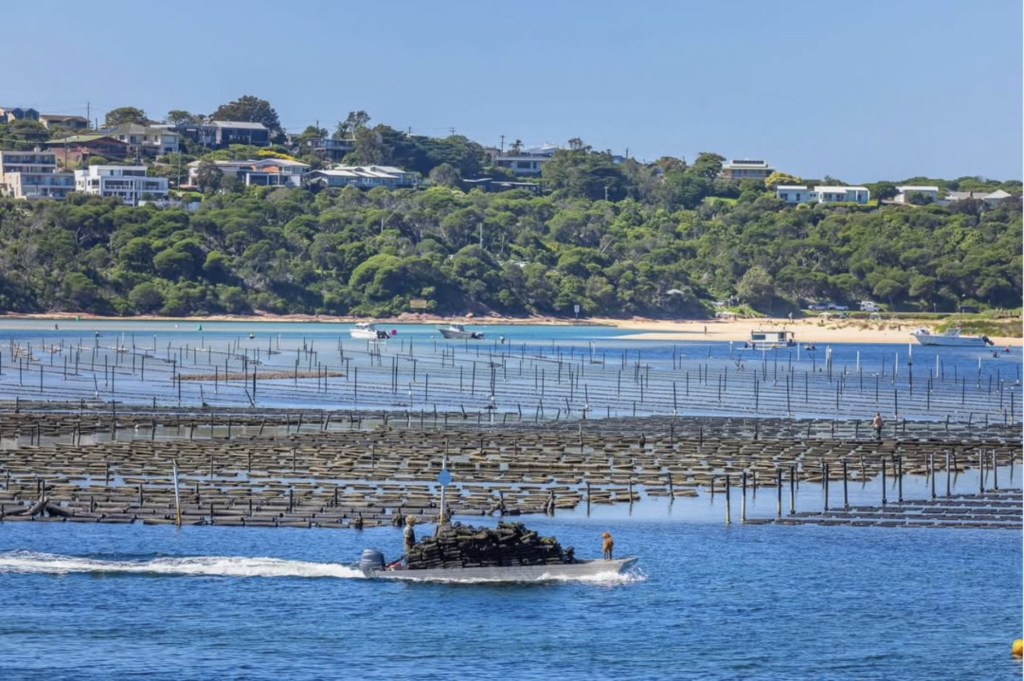
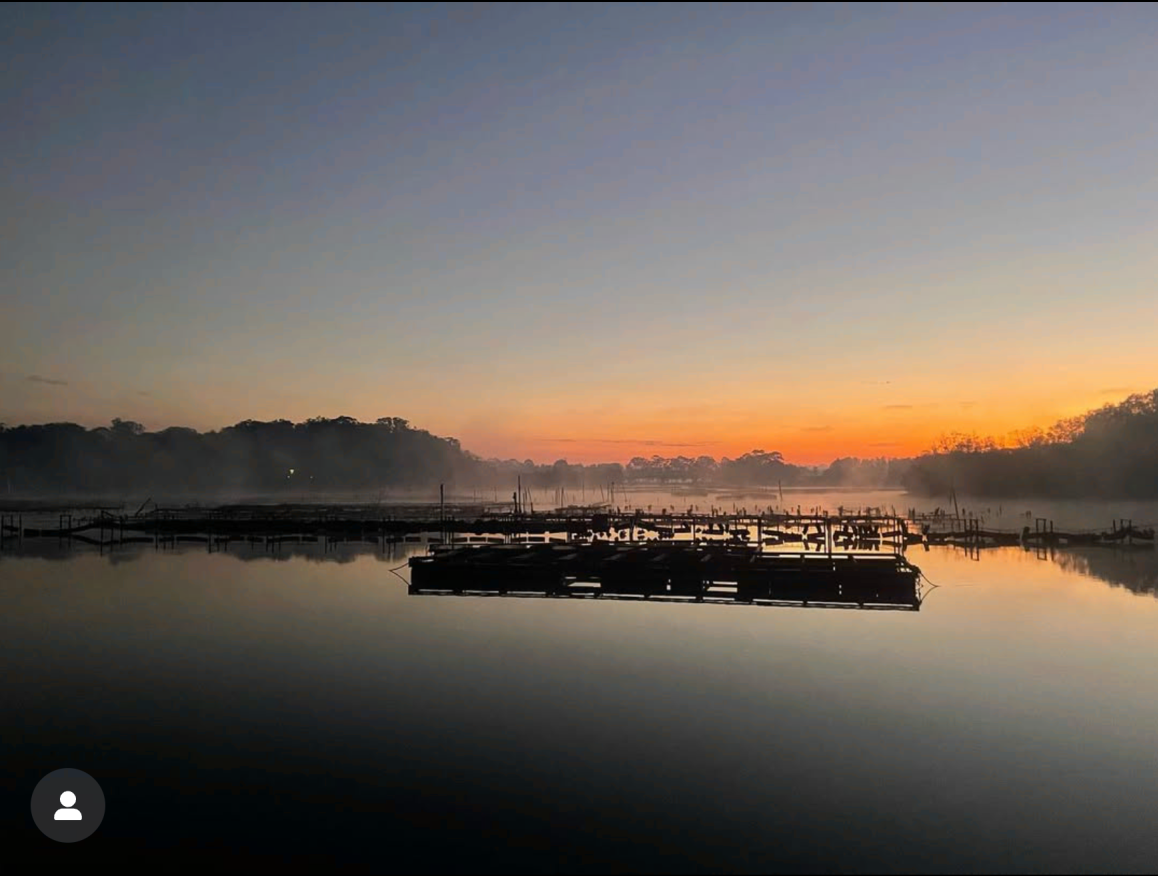
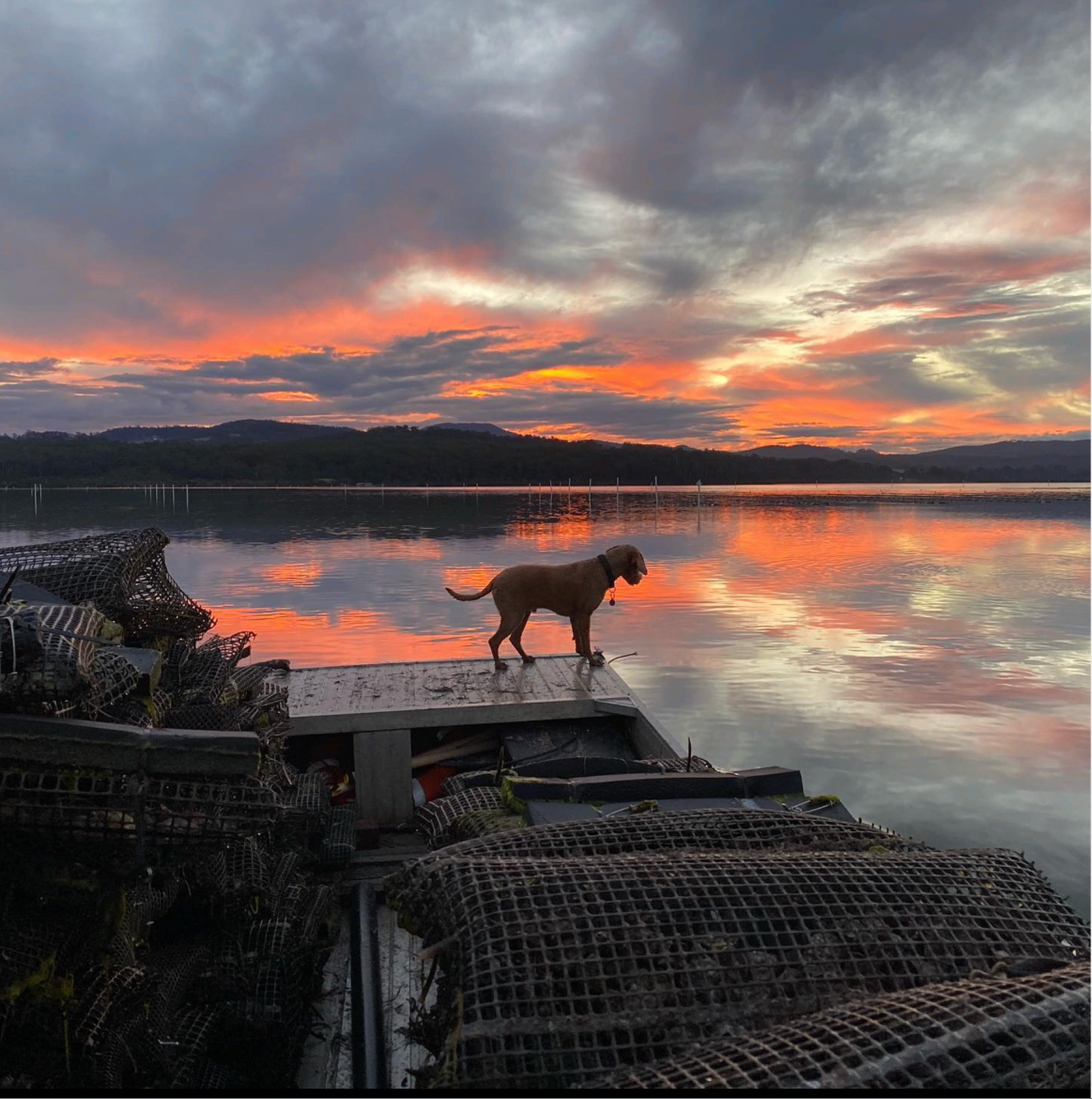
Merimbula Lake is one of the most beautiful pristine estuaries in the heart of NSW’s Sapphire Coast, famous for its jewel-like ultramarine and turquoise coloured waters.
05
Sustainability assessment criteria
assessment criteria
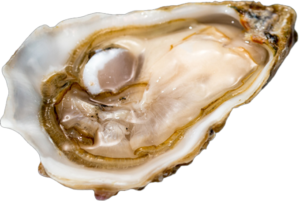
Sydney Rock Oyster
Saccostrea glomerata
Producer:
Dom Boyton
Harvest method:
Floating bags
Location:
Merimbula Lake, NSW
SASAL Farmed Products v2023 Assessment Criteria
The assessed produce has been subject to a rigorous and independent assessment process from which it has been determined that this product meets SASAL Farmed Products Sustainability Criteria 2023
Assessed by the Sustainable Australian Seafood Assessment Limited (SASAL)
criterion 1
Disease and Parasite Risk
criterion 2
Siting and Cumulative Impacts
criterion 3
Wildlife Interactions
criterion 4
Sustainability of Wild-sourced Stock and Food Sources
criterion 1
Disease and Parasite Risk
Aim
Is there a low chance of farmed species spreading diseases or parasites to wild animals?
Risk of spreading disease and parasites to native species
There is no evidence of disease or parasites from this facility impacting native species (although Sydney Rock Oysters can be susceptible to diseases introduced from other estuaries).
Input and use of chemicals
Chemicals are not used to produce Sydney Rock Oysters. No antifouling is used on the infrastructure and chemically treated wood or tar is not used. The longline mesh bags that hold the farmed oysters are manufactured using UV stabilized plastics.
Management effectiveness
The management agency has in place effective biosecurity measures and the producer meets regulations and exhibits effective management of disease and parasites. However, there is a lack of publicly available evidence regarding regulatory compliance from the management agency.
criterion 2
Siting and Cumulative Impacts
Aim
Do fish farms avoid damaging important natural habitats or harming the surrounding environment over time?
Direct impact of infrastructure on habitats
The operation is in a seagrass dominated estuary, however the practice of using floating bags results in minimal effects on the habitats and ecosystems.
Near-field impacts of water and sediment pollution
Chemicals are not used in the processing of oysters. Oysters feed naturally in the environment through filter feeding on particulate matter which cycles nutrients to the seabed and increases water clarity, both of which encourage seagrass growth.
Regional impacts
Floating bag systems have minimal environmental impacts on seagrasses and no demonstrable impacts on sedimentation rates. Since replacing rack and rail infrastructure with floating bags, the impacts of shading on seagrass has been greatly reduced and seagrass coverage has been increasing.
Management Effectiveness
The regional planning, research and monitoring and compliance of the oyster industry is effectively managed by NSW DPI. Merimbula Lake Oyster Growers produced an Environmental Management System in 2011 to help guide environmental best practices. However, the EMS should be updated every 3-4 years.
criterion 3
Wildlife Interactions
Aim
Is there a low chance of farmed species causing problems for wild animals or the environment if they escape or interact with the outside world?
Insignificant risk of wildlife interaction
There is no evidence to suggest, and it is unlikely, there is insignificant risk of wildlife interaction
Behavioural effects
Both fish and birds interact with oyster leases for feeding and refuge opportunities but this does not result in significant negative impacts to these species.
Entanglements and incidental mortality
There has been no reported entanglements of wildlife in the longlines that suspend the floating bags. Hollow large-diameter poles that could trap birds if they use to perch and fall inside, are not permitted.
Escapes, translocations and genetic impacts
As Sydney Rock Oysters are a native species in this estuary there are no issues regarding escapement. Broadcast spawning of farmed oysters is regarded as beneficial to the wild populations. Although a small proportion of selectively bred disease resistant spat are introduced to the estuary, there is no evidence of any genetic impacts on the wild populations.
Management effectiveness
As there does not appear to be any significant wildlife interactions, there are also limited management regulations by the management agency and no publicly-available evidence regarding compliance.
criterion 4
Sustainability of Wild-sourced Stock and Food Sources
Aim
Are the wild fish used to breed or feed farmed species not being overfished or put under too much pressure?
Ongoing reliance on wild stocks for broodstock, juveniles or feed
There is ongoing reliance on wild populations for juveniles
Wild stocks are sustainable
The majority of the source stock are collected from the wild, primarily in the neighbouring estuary, Pambula Lake. It is unlikely that the intensity of spat collection from Pambula Lake results in the depletion of wild stock.
Food is from sustainable sources
Supplemental feed is not used
Fin