
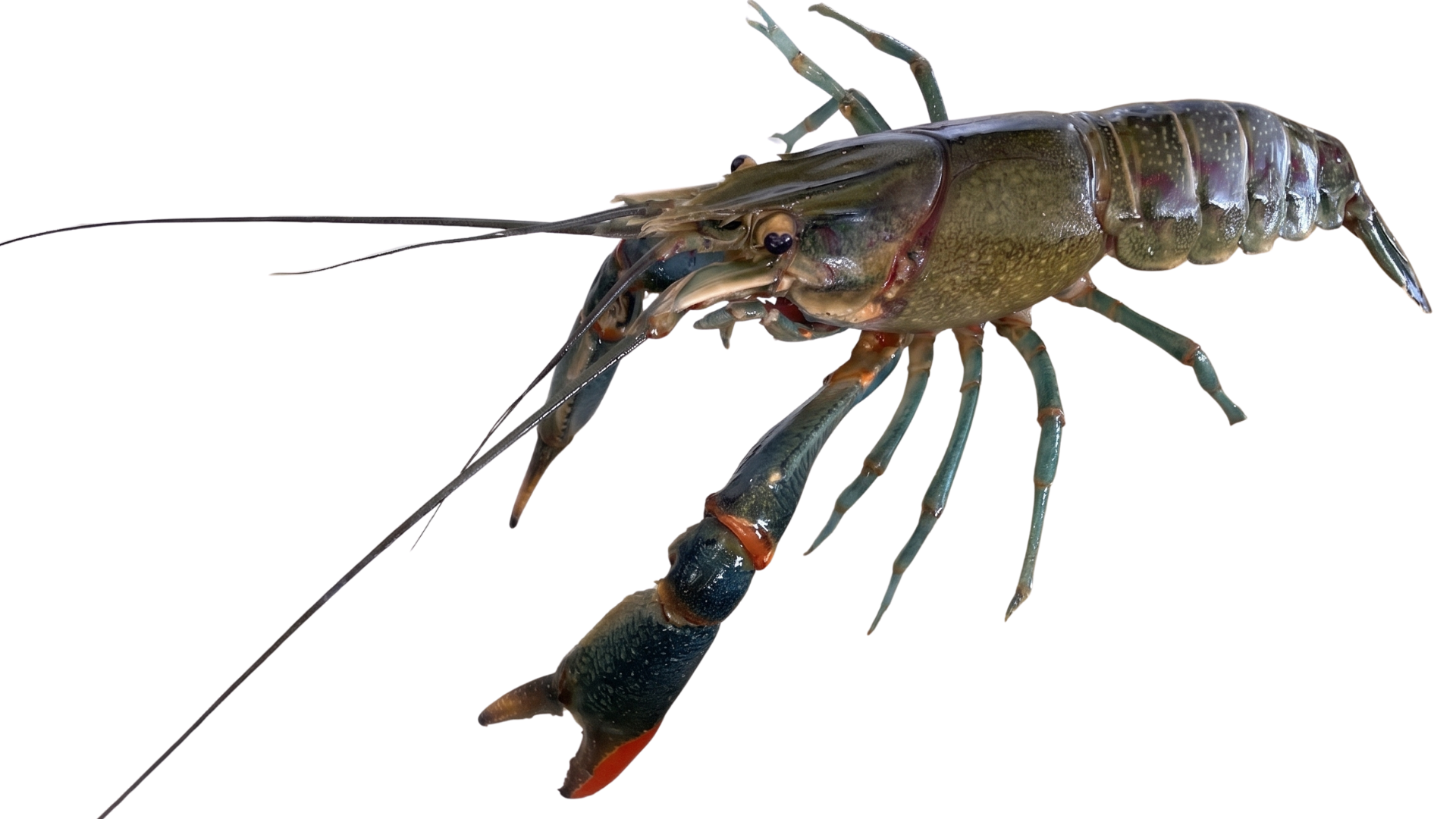
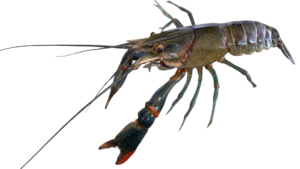
Barron River Redclaw
Cherax quadricarinatus
01
Happy Fish®
Journey & Timeline
Days
002
Story of the fish
Barron River Redclaw Habits
Females carry hundreds of eggs beneath their tails
Barron River Redclaw Harvest
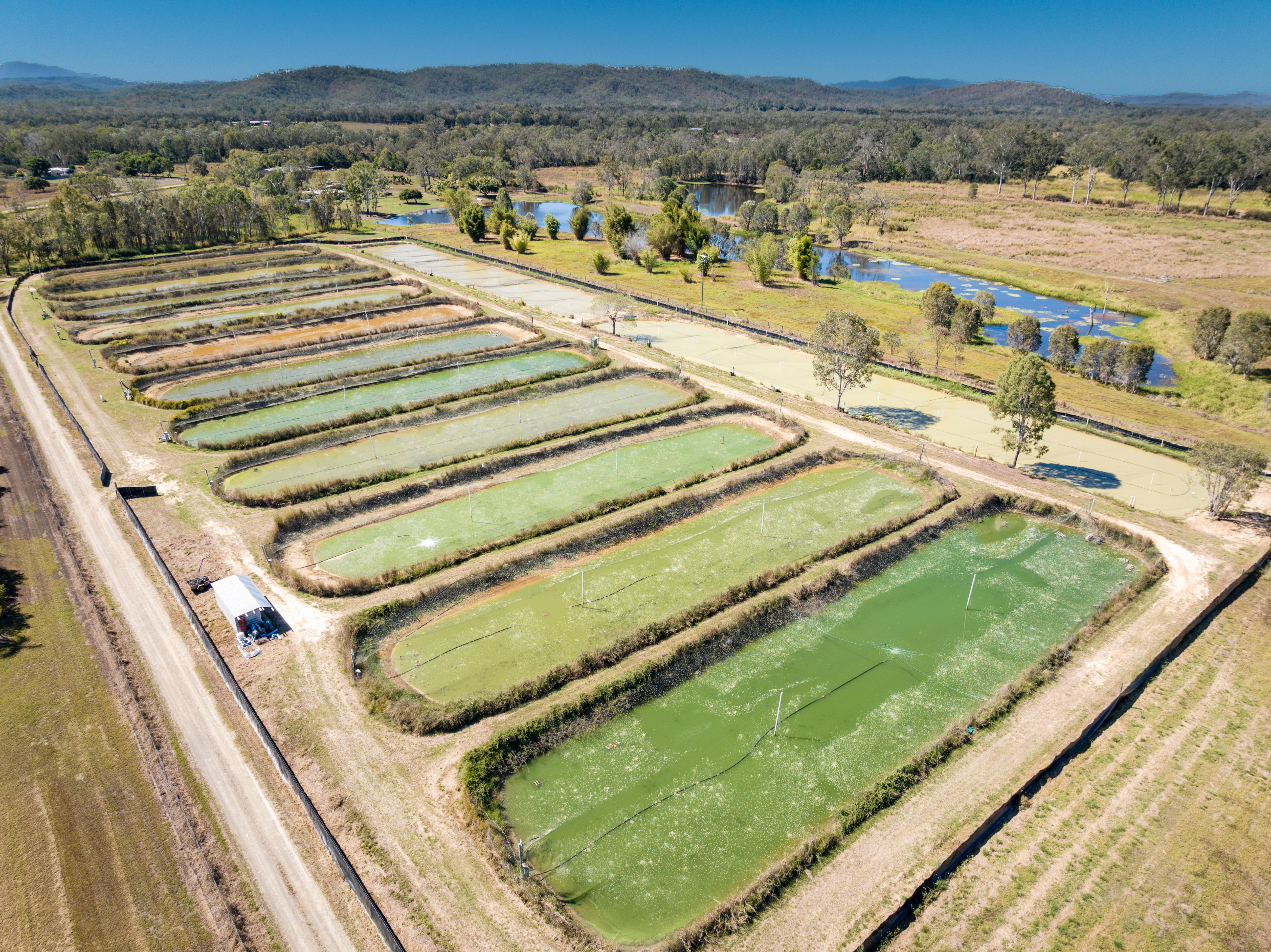
Earthen ponds mimic natural freshwater ecosystems
Barron River Redclaw Handling
Minimal stress and maximum freshness
Barron River Redclaw Taste
Good flavour starts from the pond
03
Story of the fisher-farmer
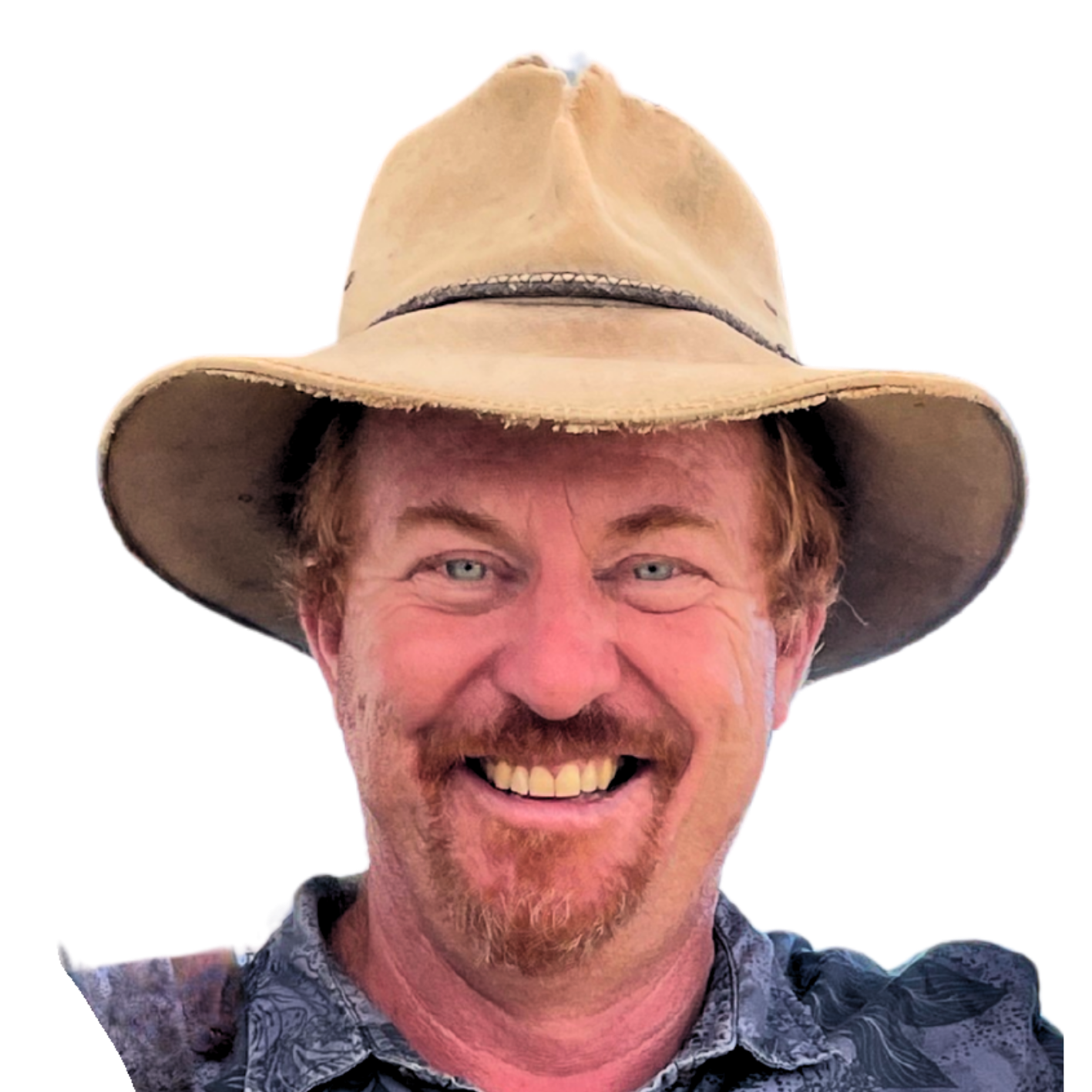
Rodney Ingersoll
"Aquaculture isn't just about growing food; it's about growing opportunities for people and communities."
Rodney has 30+ years of experience in environmental management, agriculture, aquaculture, conservation, and community development, and has dedicated much of his life to helping people and communities build sustainable livelihoods through responsible use of natural resources.
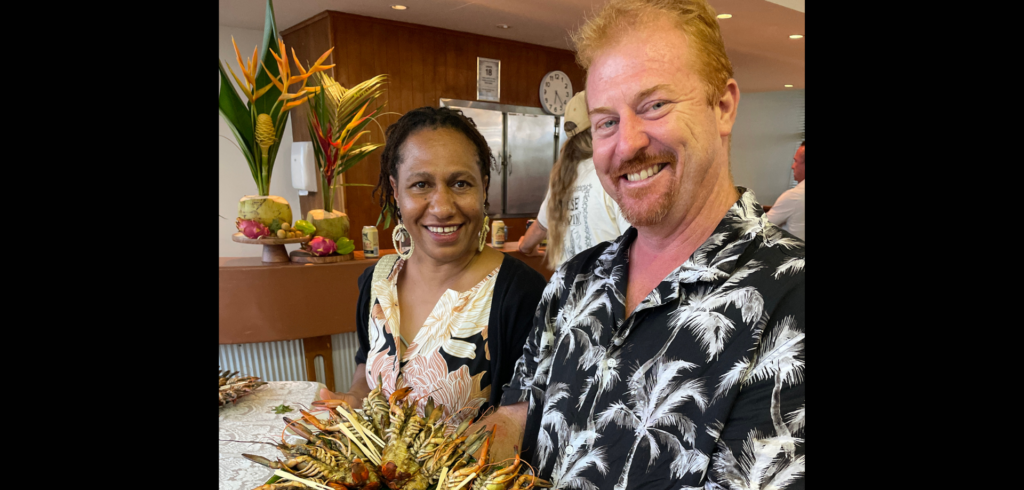
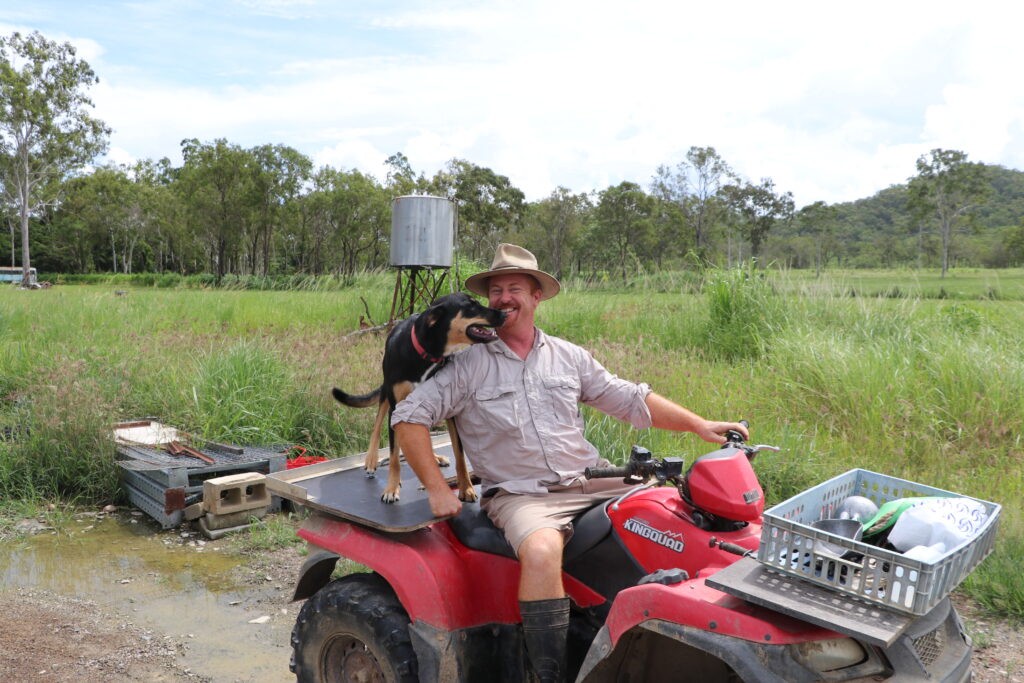
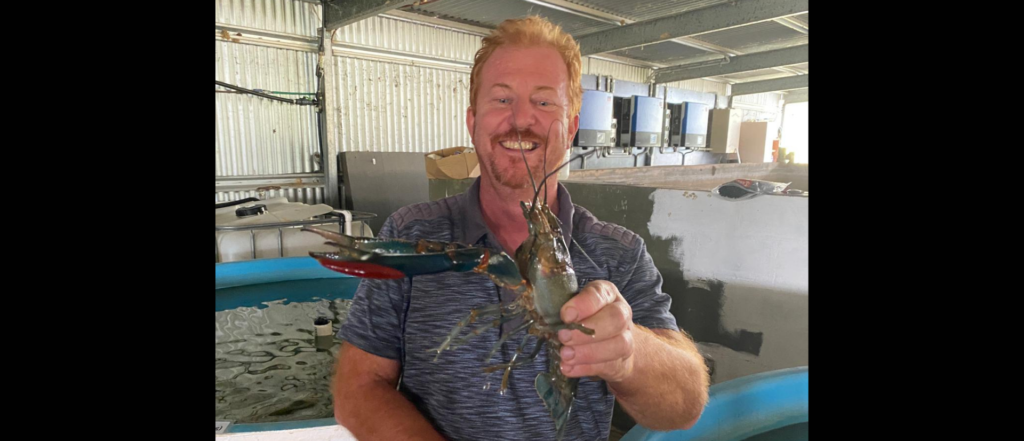
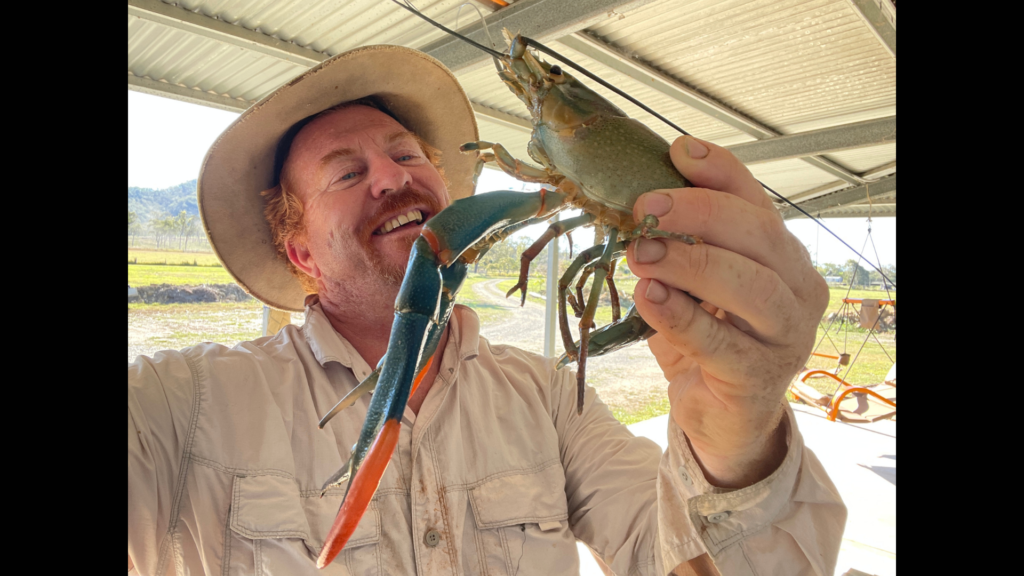
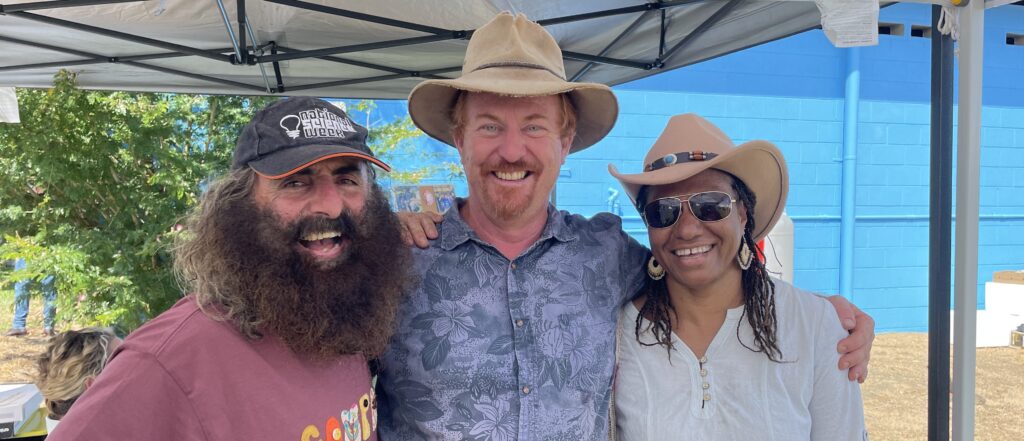
His journey has taken him from university to the rainforests and remote communities of Papua New Guinea and Indigenous Australia, working with NGO’s, Government and Mining Industry before establishing Barron River Redclaw farm, where he now produces premium freshwater crayfish while promoting food security and environmental stewardship.
Rodney’s work has been recognised at the highest levels. He was appointed an Officer of the Most Excellent Order of the British Empire (OBE) by Her Majesty Queen Elizabeth II for distinguished service and contributions to communities in Papua New Guinea. Over his career, he has also received recognition from government agencies, industry organisations, and community groups for his leadership in conservation, sustainable development, environmental management, and community empowerment.
Rodney’s approach to farming is founded on a simple principle: work with nature rather than against it. At Barron River Redclaw Farm, this means maintaining healthy pond ecosystems, prioritising animal welfare, protecting water quality, and minimising environmental impacts while producing a premium seafood product. He believes that healthy water, healthy ecosystems, and healthy animals are the foundation of both sustainability and profitability.
What sets Rodney apart is his unique combination of practical farming experience, scientific knowledge, and community development expertise. As an environmental scientist, educator, consultant, and aquaculture practitioner, he applies a systems-thinking approach to redclaw farming, continually improving husbandry, biosecurity, water management, and sustainability outcomes. His farm is also licensed to work with more than 200 species of fish and crustaceans, giving him a broad understanding of freshwater aquaculture systems and aquatic ecosystems.
Looking to the future, Rodney sees enormous opportunities for redclaw farming across northern Australia. He believes the industry can rapidly expand to play an important role in improving food security, creating regional jobs, supporting Indigenous enterprise development, and producing high-quality sustainable seafood for domestic and international markets. He is particularly passionate about helping Indigenous communities use aquaculture as a pathway to economic development, healthy food production, and greater self-sufficiency.
For Rodney, farming extends far beyond producing crayfish. Throughout his career he has worked extensively in conservation, environmental management, education, and community development, leading hundreds of projects across Australia and Papua New Guinea. He has managed large multidisciplinary teams, advised governments, supported traditional landowners, and worked with communities to build sustainable futures. Today he continues to share knowledge through training, mentoring, advocacy, public speaking, and industry leadership.
As he often says, “Aquaculture isn’t just about growing food; it’s about growing opportunities for people and communities.” Another principle that guides his work is, “If we look after the environment, the environment has no choice but to look after us” or, as he also likes to put it, “If you feed the fish, they feed you.” Through Barron River Redclaw Farm, Rodney aims to demonstrate that profitable farming, environmental responsibility, and community benefit can all work together to create a more sustainable future.
04
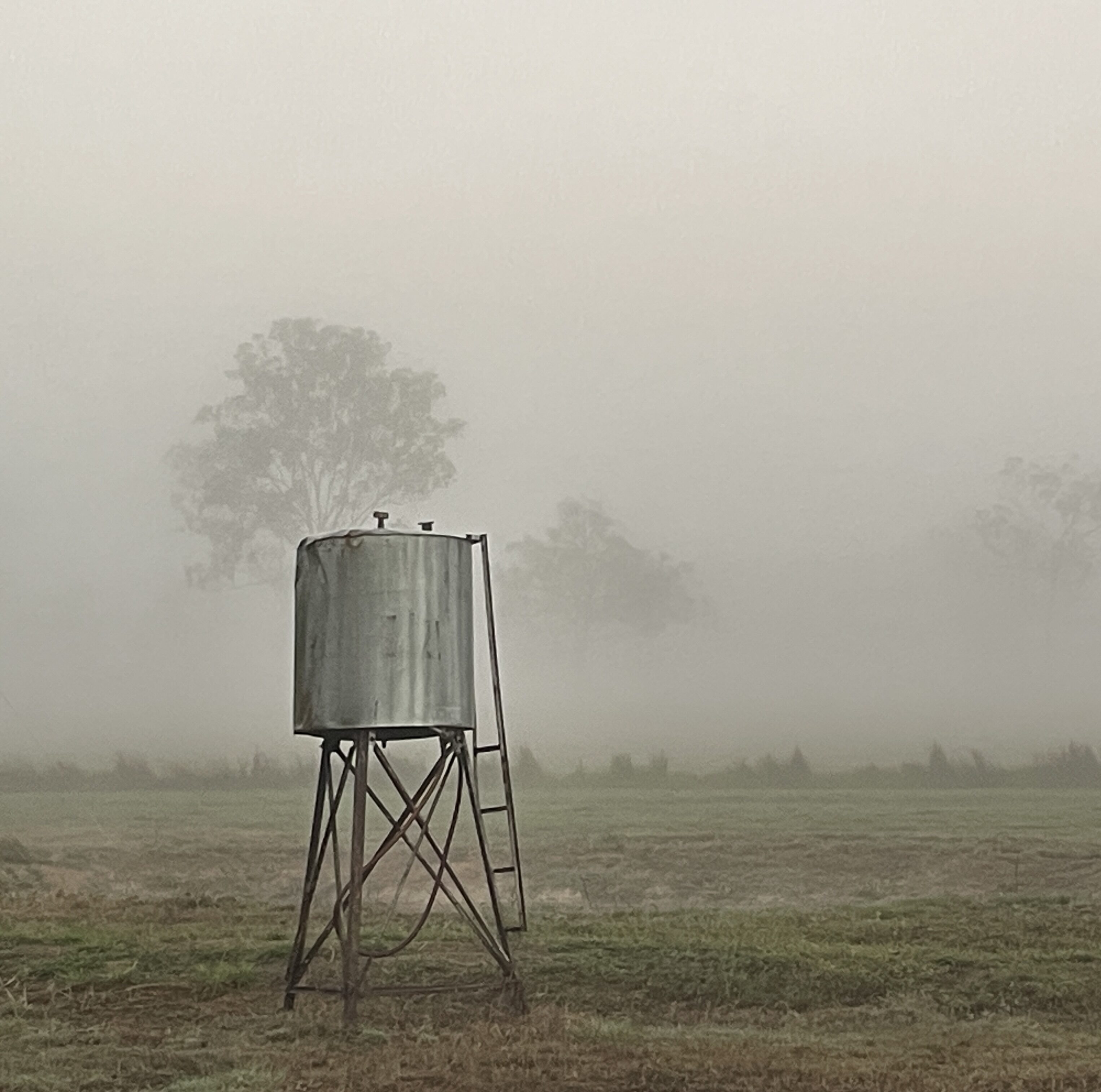
Story of the country
muluridji
biboohra, queensland
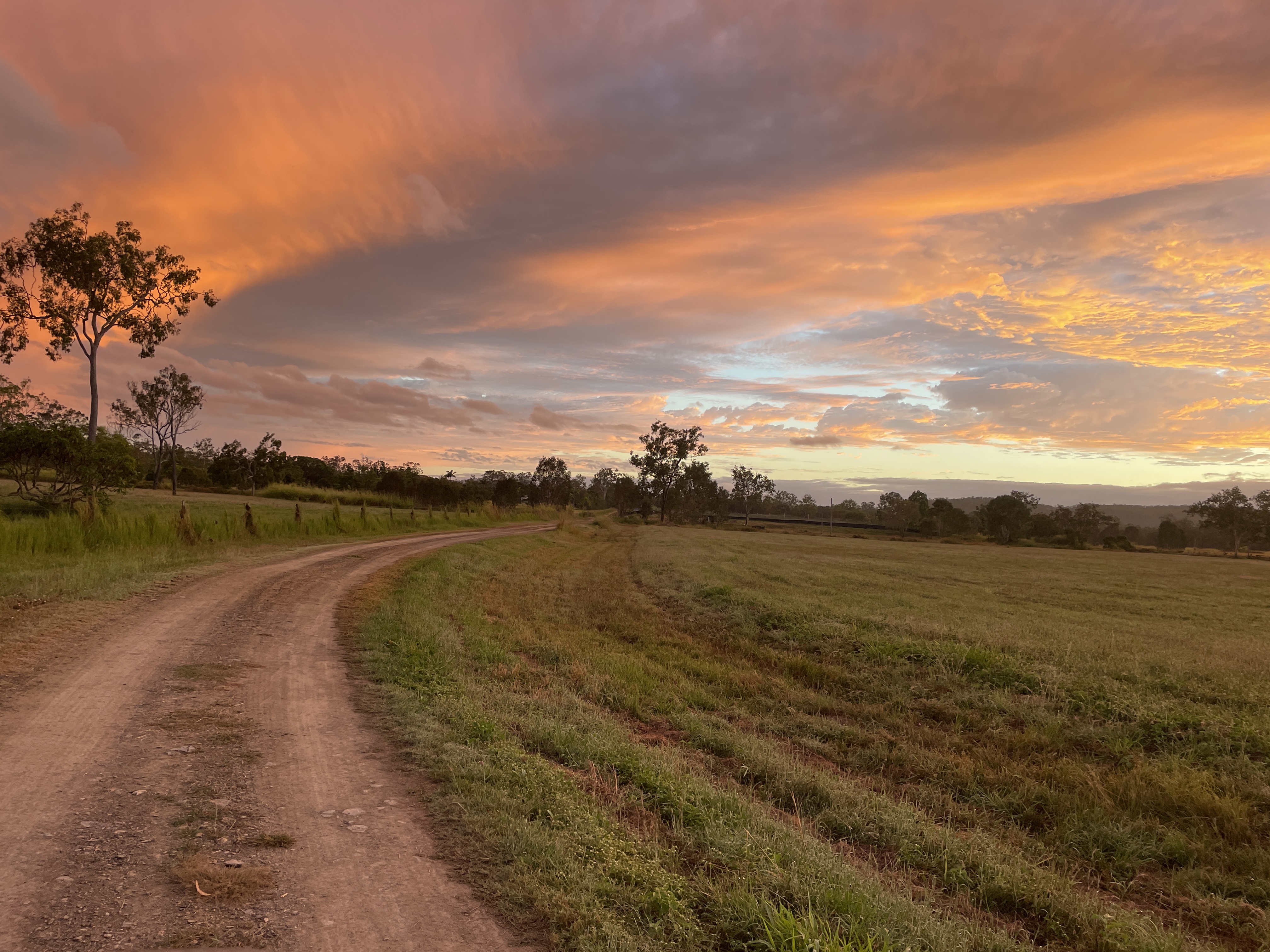
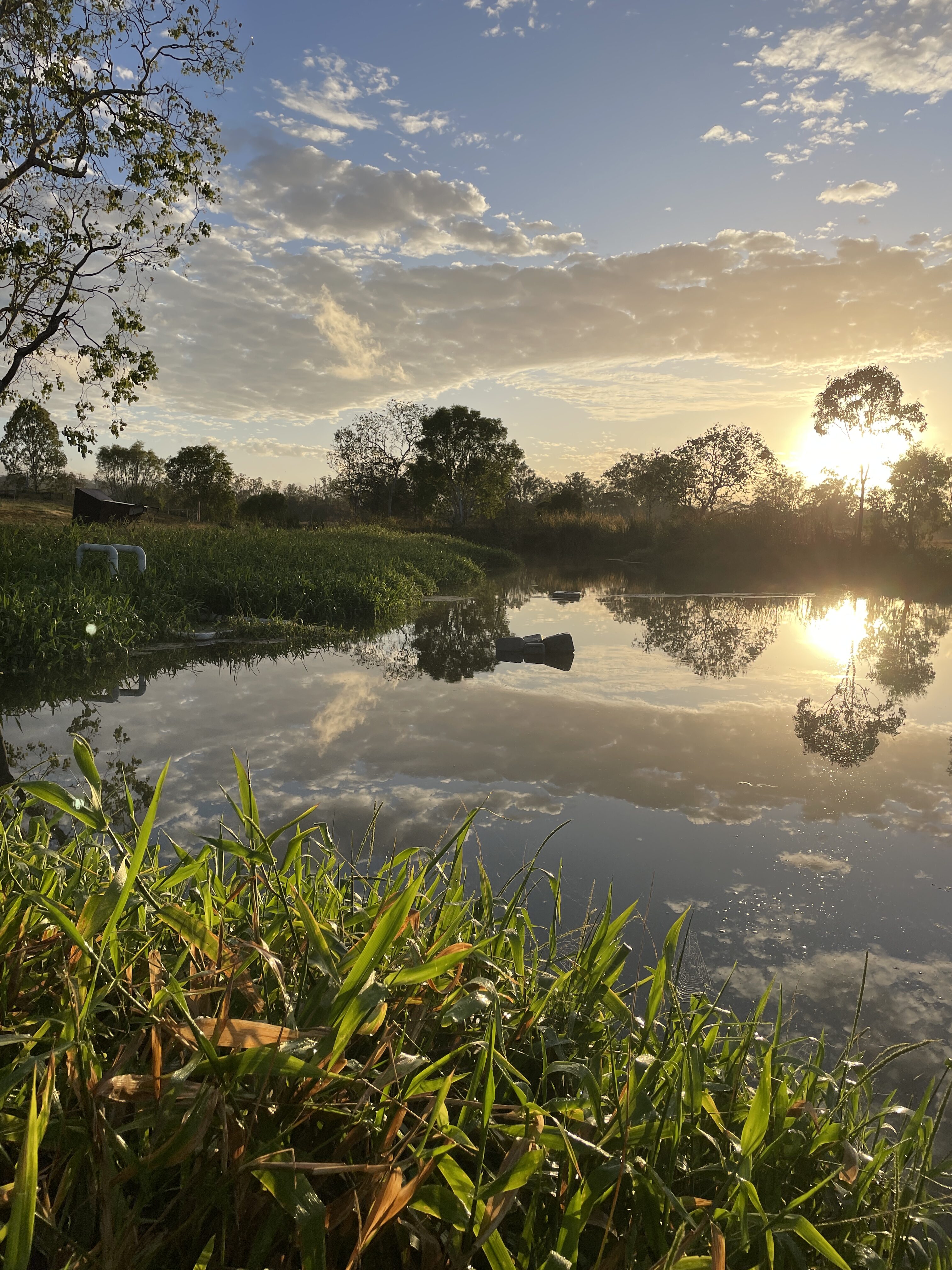
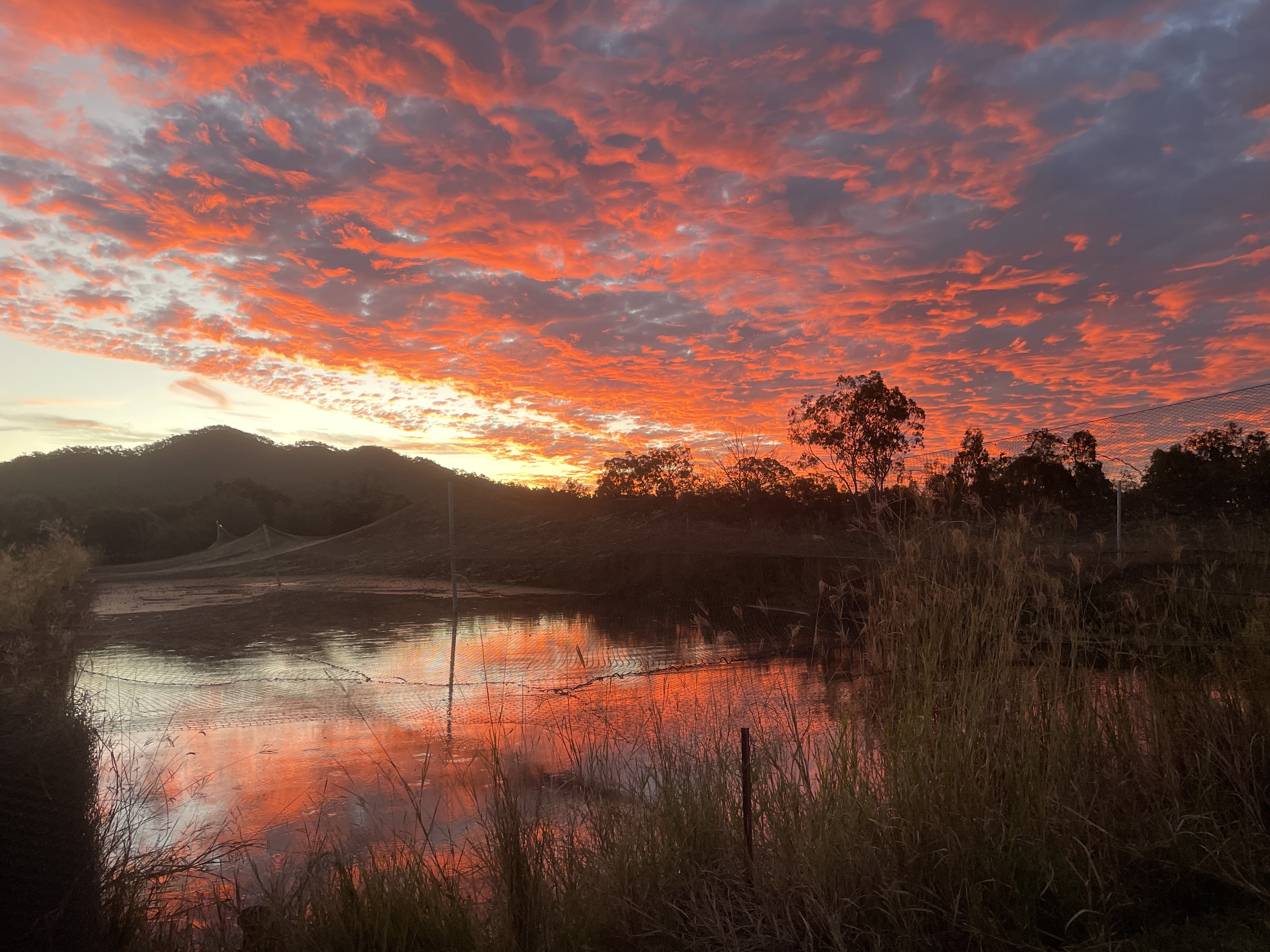
This Country provides an opportunity to serve community, grow healthy food, create livelihoods, and care for the environment all at the same time.
05
Sustainability assessment criteria
assessment criteria
Barron River Redclaw
Cherax quadricarinatus
Producer:
Rodney Ingersoll
Harvest method:
Inland earth-formed ponds
Location:
Biboohra, QLD
SASAL Farmed Products v2023 Assessment Criteria
The assessed produce has been subject to a rigorous and independent assessment process from which it has been determined that this product meets SASAL Farmed Products Sustainability Criteria 2023
Assessed by the Sustainable Australian Seafood Assessment Limited (SASAL)
criterion 1
Disease and Parasite Risk
criterion 2
Siting and Cumulative Impacts
criterion 3
Wildlife Interactions
criterion 4
Sustainability of Wild-sourced Stock and Food Sources
criterion 1
Disease and Parasite Risk
Aim
Is there a low chance of farmed species spreading diseases or parasites to wild animals?
Risk of spreading disease and parasites to native species
No previous instances of disease at this farm. Redclaw are grown from high-quality sterilised hatchery stock. Crayfish are monitored for health and effective controls in place to reduce mixing with native species.
Input and use of chemicals
Chemicals and antibiotics are not used for the production of Redclaw by this farming operation. As stated on the Barron River Redclaw website: “We don’t ever inject or inoculate our Redclaw. We are a spray free fresh organic farm and don’t use any chemicals, herbicides, biocides, medicines or any other chemical nasties”.
Management effectiveness
This farm follows existing National Biosecurity Plan Guidelines developed for finfish. A site-specific biosecurity plan for Redclaw crayfish is planned to be developed in the future. Publicly available evidence regarding regulatory compliance from the management agency is unfortunately lacking.
criterion 2
Siting and Cumulative Impacts
Aim
Do fish farms avoid damaging important natural habitats or harming the surrounding environment over time?
Direct impact of infrastructure on habitats
The land and vegetation on this property are not highly susceptible to degradation or listed as a threatened ecological community. Although the land was cleared for development in the 1980s, native vegetation is currently being restored since the property changed ownership in 2022.
Near-field impacts of water and sediment pollution
The clay earth-formed ponds are not connected to local waterways, and impervious to groundwater leakage. The farm operates as a recirculating water system and biological wastes produced in the ponds are captured using biological filtration and/or utilised for agriculture.
Regional impacts
This self-contained inland aquaculture operation does not discharge or impact any waterways or groundwater.
Management Effectiveness
This farm follows and exceeds the environmental regulations required under their development application permit. However, there are no regular independent inspections to assess effectiveness or compliance regarding these regulations.
criterion 3
Wildlife Interactions
Aim
Is there a low chance of farmed species causing problems for wild animals or the environment if they escape or interact with the outside world?
Insignificant risk of wildlife interaction
No
Behavioural effects
No significant behavioural effects on wildlife as the Redclaw ponds are land-based and designed to exclude other wildlife using fences and nets.
Entanglements and incidental mortality
Wildlife mitigation practices (such as fencing and netting) have been refined over the years and do not result in entanglements and mortality of native wildlife such as birds and water rats.
Escapes, translocations and genetic impacts
Redclaw can be an invasive species outside of their native range. However, they are either native or already have well established populations across the local watersheds of the Barron River. Escapes are mitigated except for uncontrollable impacts such as 1:100 years flooding events.
Management effectiveness
This operation meets all regulations and exhibits high-quality, effective and proactive management of wildlife interactions.
criterion 4
Sustainability of Wild-sourced Stock and Food Sources
Aim
Are the wild fish used to breed or feed farmed species not being overfished or put under too much pressure?
Ongoing reliance on wild stocks for broodstock, juveniles or feed
No; there is no ongoing reliance on wild populations. Juveniles are sourced from a closed-life-cycle hatchery that does not rely directly on wild populations.
Wild stocks are sustainable
The cultured Redclaw originated from a selective breeding program using distinct genetic strains throughout the species natural range and are no longer harvested from wild stocks.
Food is from sustainable sources
A sustainable plant-based pellet feed was developed from university research and is now commercially produced in the region. Pellet feed is supplemented with other organically grown fruit and vegetables.
Fin