

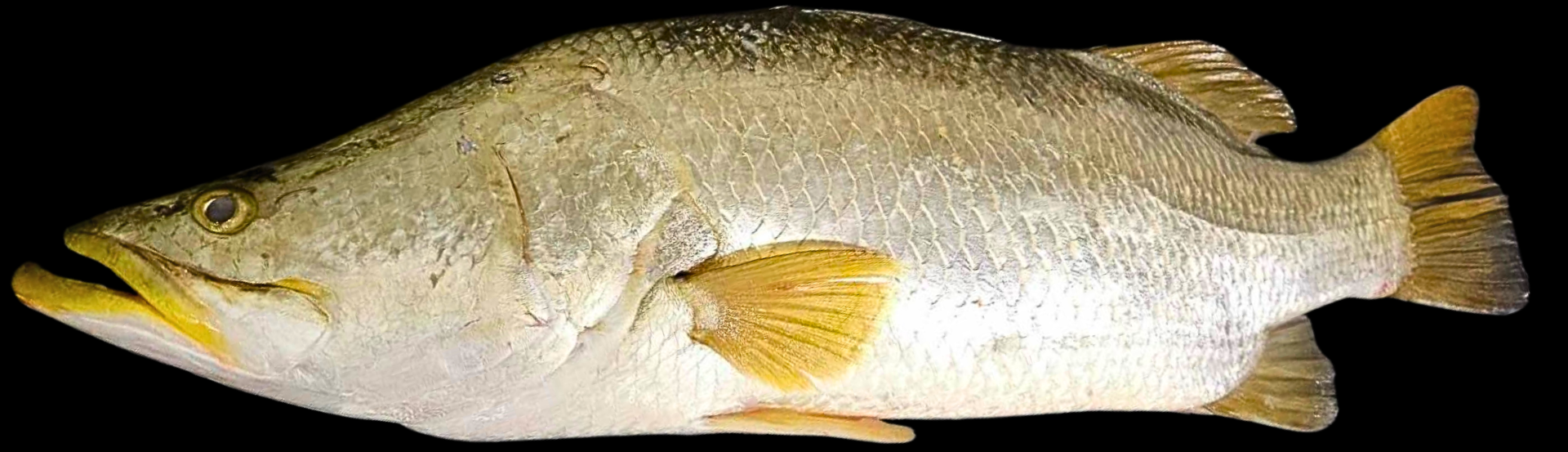
Wild Caught Saltwater Barramundi
Lates calcarifer
01
Happy Fish®
Journey & Timeline
01
Happy Fish®
Journey & Timeline
Days
002
Story of the fish
Wild Caught Saltwater Barramundi Habits
produces 10 to 40 million eggs annually
Wild Caught Saltwater Barramundi Harvest
quality unseen before in wild barramundi
Wild Caught Saltwater Barramundi Handling
2 weeks fresher than average
Wild Caught Saltwater Barramundi Taste
you won't believe it’s barramundi
WILD
HAND LINE-CAUGHT
BRAIN SPIKED
ICE-SLURRIED
FAMILY OWNED
LOCAL
03
Story of the fisher-farmer
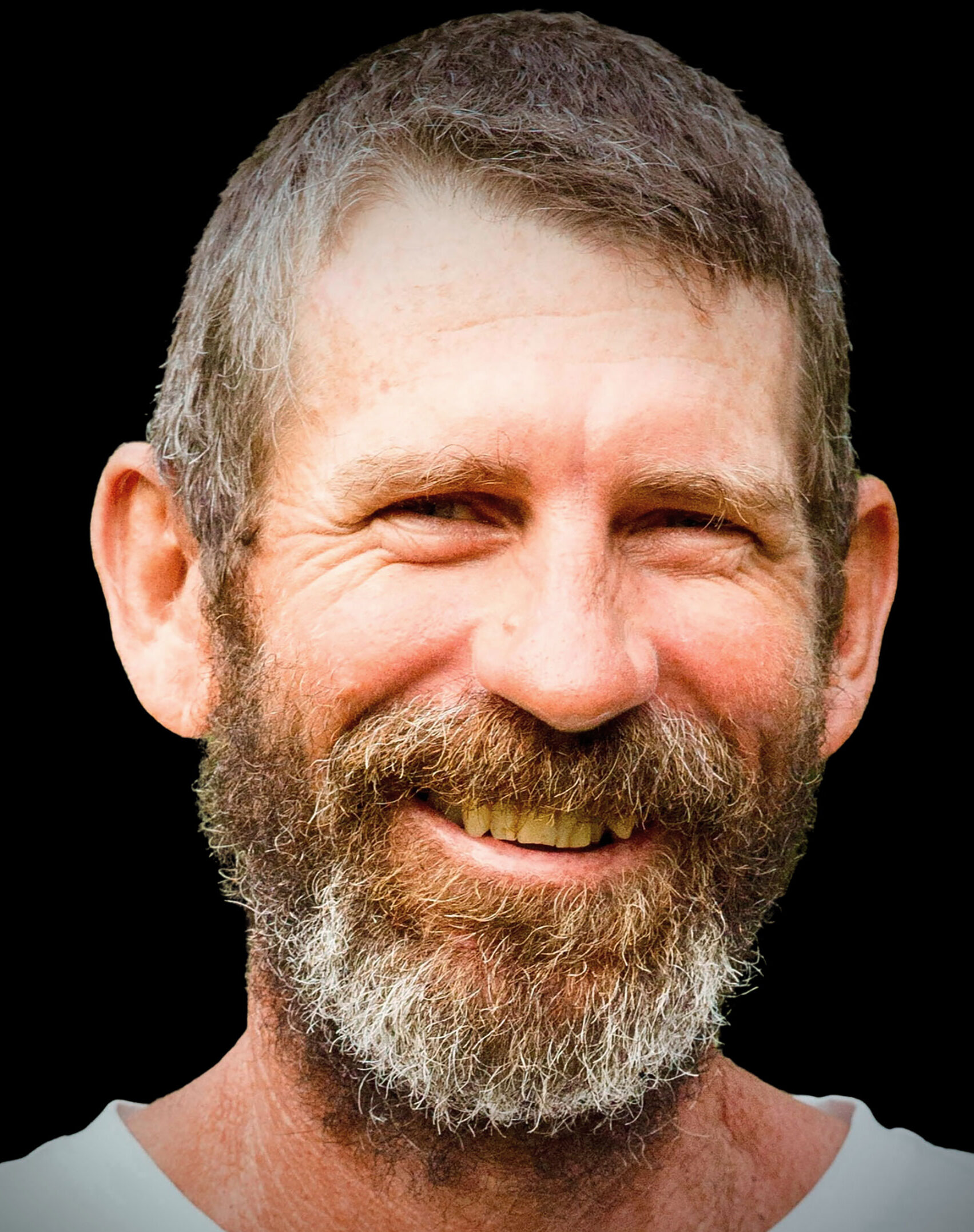
Chris Bolton
“Catch every fish one by one- one line, one hook, one sinker. My grandfather caught fish the same way. When I started catching fish like this people though I was crazy”
Chris Bolton, the ever-modest pioneering and visionary fisherman, is something of a legend in fishing
one-of-a-kind
Chris Bolton, the ever-modest pioneering and visionary fisher, is something of a legend in fishing, environmental and gastronomic circles. Together with his partner Kim, they have built their piece of paradise and a fishing business based in the world-heritage-listed Great Barrier Reef Marine Park in Queensland.
Chris Bolton Fishing has been celebrated for its uncompromising commitment to the reef, sustainability, quality and constant innovation to minimise environmental impacts and improving efficiency. The Boltons are true custodian fisherfolk and serve as role models of next-level fishing practice and care for Country.
Australia’s top chefs and seafoodies prize Chris Bolton Fishing’s produce for its quality, while his fishing techniques and knowledge attracts interest and research collaboration from the science community, fisheries managers and environmental groups. Chris Bolton Fishing is a multi award winning business most recently winning Producer of the Year in 2024 delicious Harvey Norman Produce Awards
fish fraud!
Believe it or not, more Chris Bolton Coral Trout is sold than is actually caught. Well-intentioned chefs receive what they believe are his fish and wonder why the quality is not up to Chris’s standards. That’s because it’s not always his fish! The Happy Fish process is intrinsic to eliminating Fish Fraud and ensuring verifiable sustainability, provenance and quality.
3 generations of fishing in the blood
“From the age of 5, all I wanted to do was to go fishing. I have spent more days on and in the Great Barrier Reef than I have on dry land! … Both my grandfathers were fishermen, my father and my uncles are fishermen and all catch fish in the same areas of the Great Barrier Reef and catchment that I fish today.”
04
Story of the country
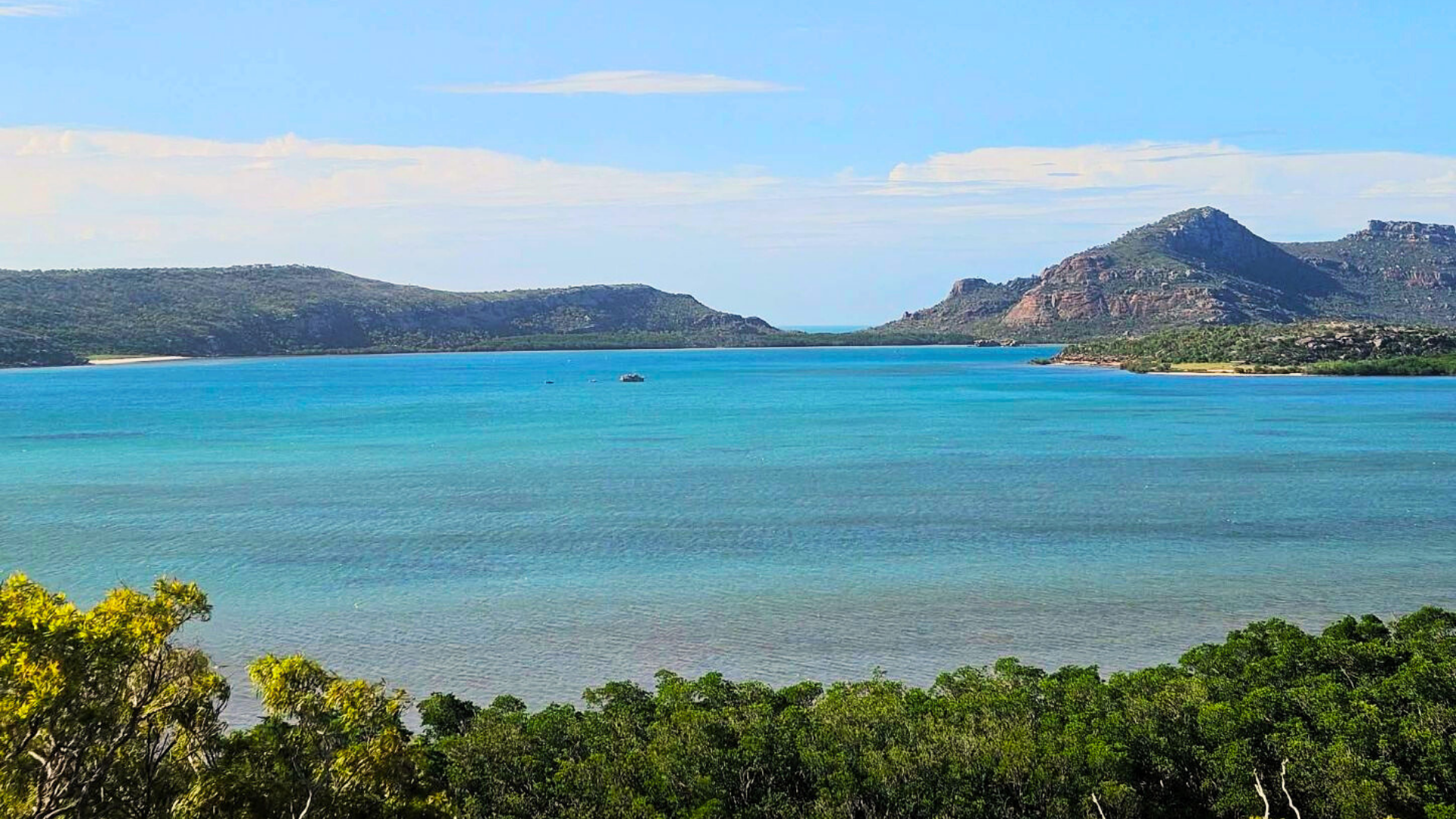
Lama lama country
Princess charlotte bay far north QLD
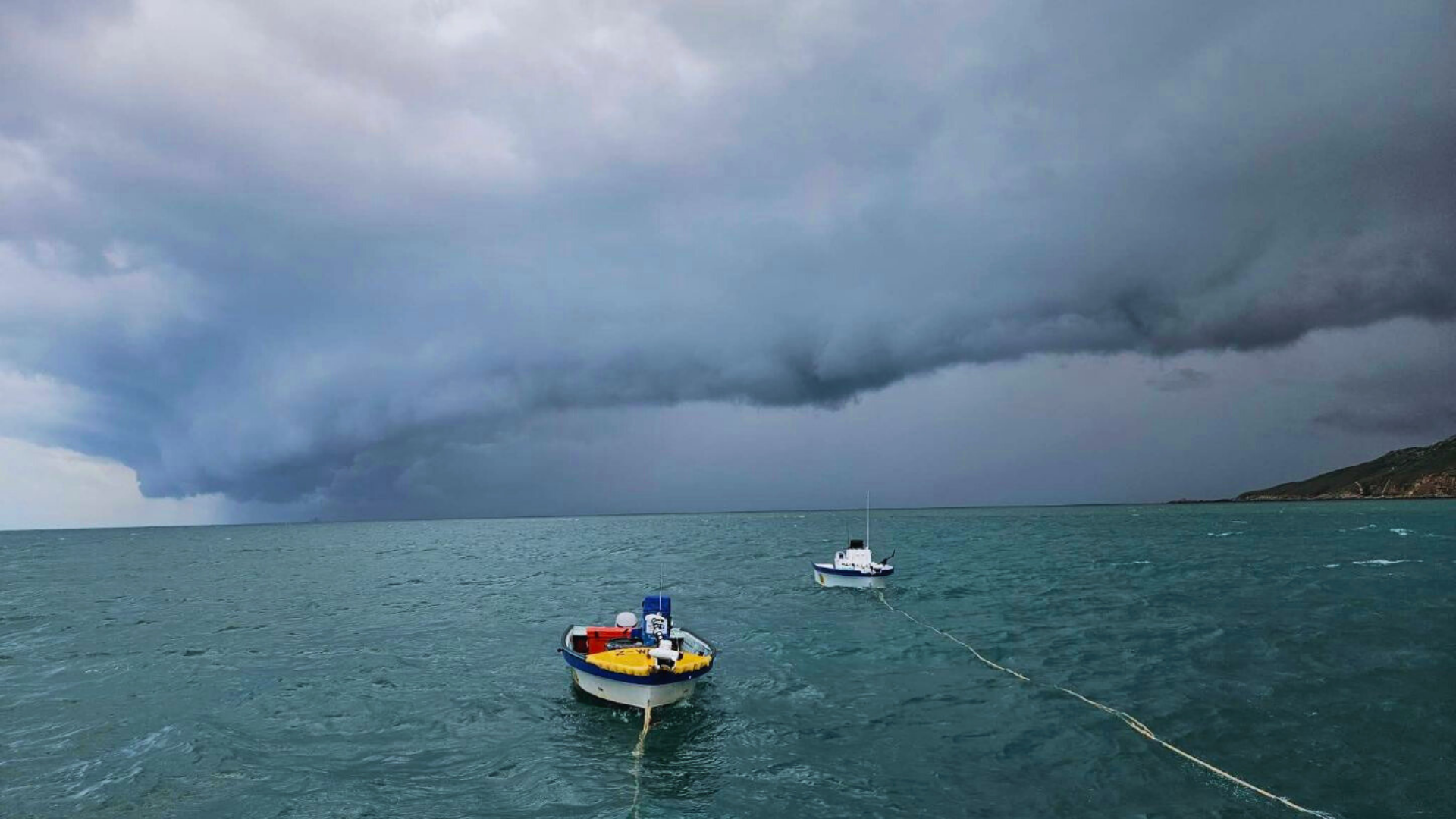
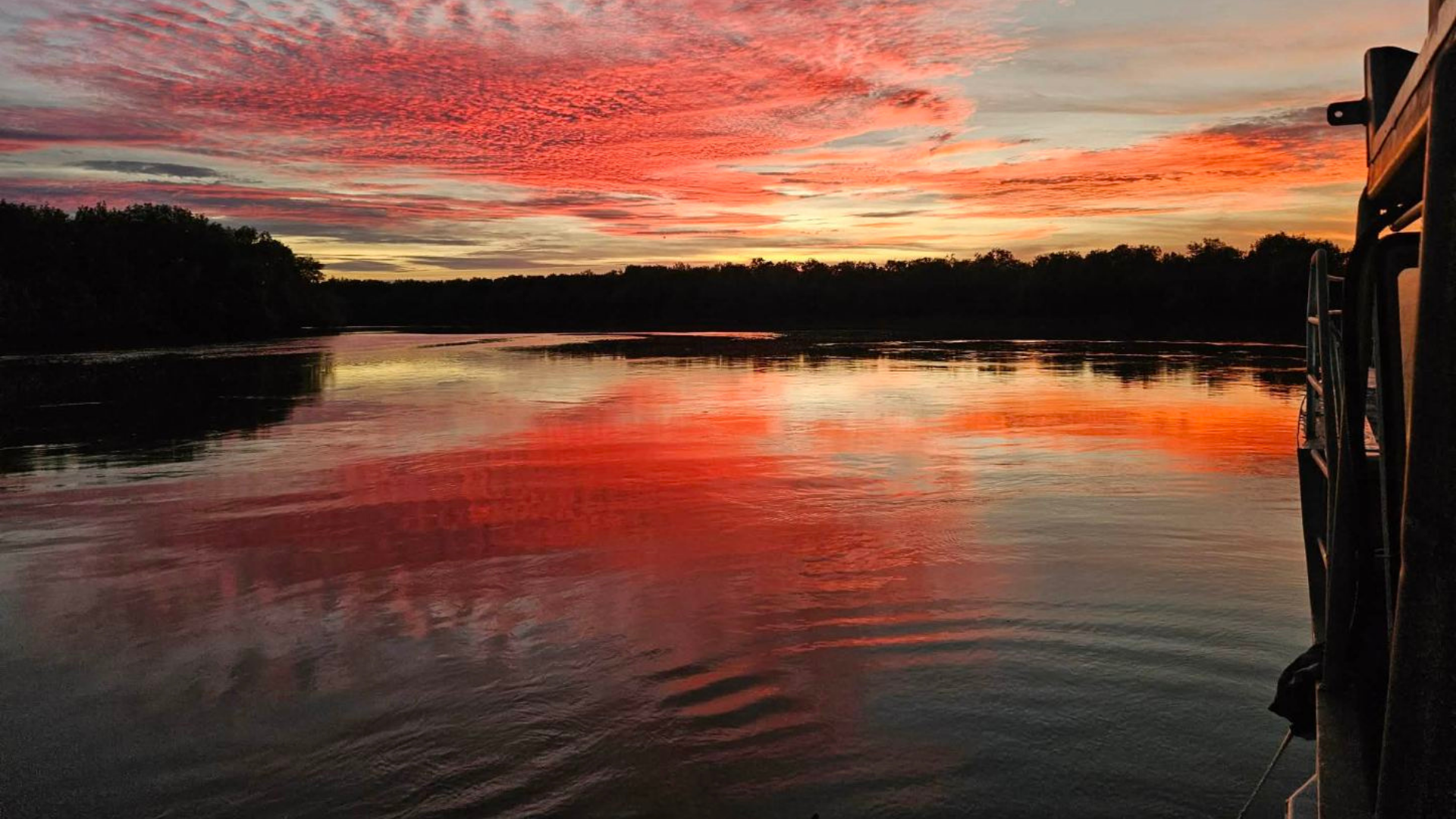
The remote and pristine waters of Princess Charlotte Bay are located in the Great Barrier Reef Marine Park, 350 km north northwest of Cairns, far North Queensland.
During spring tides, saltwater flows several kilometres inland and floods low-lying areas, creating perfect barramundi habitat conditions for all its seasons and cycles of life: breeding, spawning, maturing and repeating the cycle again!
05
Sustainability assessment criteria
assessment criteria
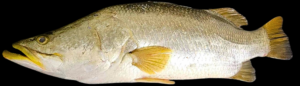
Wild Caught Saltwater Barramundi
Lates calcarifer
Producer:
Chris Bolton
SASAL Wild-caught products v2023 Assessment Criteria
The assessed produce has been subject to a rigorous and independent assessment process from which it has been determined that this product meets SASAL Wild-caught Products Sustainability Criteria 2023
Assessed by the Sustainable Australian Seafood Assessment Limited (SASAL)
criterion 1
Status of Wild Stocks: Target and By-product Species
criterion 2
Bycatch
criterion 3
Impacts of fishing on habitats and ecosystems
criterion 1
Status of Wild Stocks: Target and By-product Species
Aim
Are wild populations at a healthy level? Are they managed to support the current rates of fishing over the long-term?
Management classification
Barramundi populations in Princess Charlotte Bay are regarded as underutilised because there has been no commercial net fishing in this region since 2020, and only limited take from commercial line fishing since 2024.
Current population relative to unfished level
There has not been a formal stock assessment in this region due to a lack of commercial fishing effort data in recent years, therefore the current population biomass level is unknown. However, it is estimated that current populations are likely close to virgin biomass i.e. a very high percentage of the pre-fished population level remains.
Extent of overfishing
Overfishing is not occurring, and the current level of fishing mortality is unlikely to cause significant stock declines. Other barramundi stocks along Queensland’s East Coast are managed to maintain biomass levels of 60% of unfished biomass. Princess Charlotte Bay currently has much lower fishing effort than other regions.
Long-term trends
The line fishery for barramundi in Princess Charlotte Bay has only been active for the 2024 and 2025 seasons. However, across Queensland, barramundi stock levels and have shown positive long-term trends and sustainability in the fishery.
Biological parameters
The habitat range, age and size structure and the sex ratio of barramundi in Princess Charlotte Bay area are considered functionally normal and not significantly impacted by fishing.
Management effectiveness
The fishery is effectively managed by the Queensland Department of Primary Industries, in conjunction with the Great Barrier Reef Marine Park Authority. However, as this is a new fishery with limited licenses available there is a lack of independent monitoring and public reporting.
criterion 2
Bycatch
Aim
Are they captured using techniques that minimise the catch of other species, and released fish have high rates of survival?
Is there bycatch?
Yes
Population impacts of bycatch
There is a lack of independent bycatch data and monitoring in this fishery, however highly selective fishing practices are implemented, and unwanted fish are released alive in good condition. The few retained byproduct species are also at healthy population levels.
Ecosystem impacts of bycatch discards
As the only discards reported by the fisher are a small proportion of undersized or oversized barramundi that are released alive, there would be no ecosystem impacts greater than minimal.
Management effectiveness
Due to concerns with bycatch of threatened, endangered and protected species (TEPS) in the previous gillnet fishery, management is phasing out gill nets in favour of other fishing methods such as line fishing. There is electronic reporting of catches and TEPS interactions in the line fishery, however data are not publicly available or independently verified.
criterion 3
Impacts of fishing on habitats and ecosystems
Trophic impacts of species catch (target and non-target species)
Studies have shown limited ecosystem and trophic impacts on the removal of barramundi from mangrove habitats. With limited catch quota and high fish biomass, trophic impacts are expected to be minimal.
Physical effects on habitats
Hook and line fishing is a minimal damage gear type for physical and biological impacts on habitats. Furthermore, biodegradable fishing line is used, so any lost line will not permanently stay in the environment. GPS guided electric outboards are used during fishing to allow the boat to stay on the spot instead of anchoring on sensitive habitats such as seagrass.
Spatial scale of impacts
The fishing operation focuses on a small proportion of the available fishable habitat in the Great Barrier Reef Marine Park (GBRMP), and adjacent rivers and estuaries where 33% of representative habitat is protected from fishing. Fishing is focussed in a small area within the larger East Coast Inshore Fishery Management Region 1.
Temporal scale of impacts
This fishery appears to have minimal impacts on habitats due to the line-fishing technique and the absence of anchoring on sensitive habitats. There would also be potential for rapid recovery from any minor impacts on habitats and ecosystems.
Management of impacts
Ecosystem impacts are constrained and well managed and monitored by various government agencies including the Queensland Department of Primary Industries and the Great Barrier Reef Marine Park Authority. The phasing out of gillnetting and the creation of no-fishing zones are examples of this. Voluntary agreements are embraced by Chris Bolton, such as being a Reef Guardian Fisher, to go beyond what is required by State and Federal laws.
Fin